
 Asia
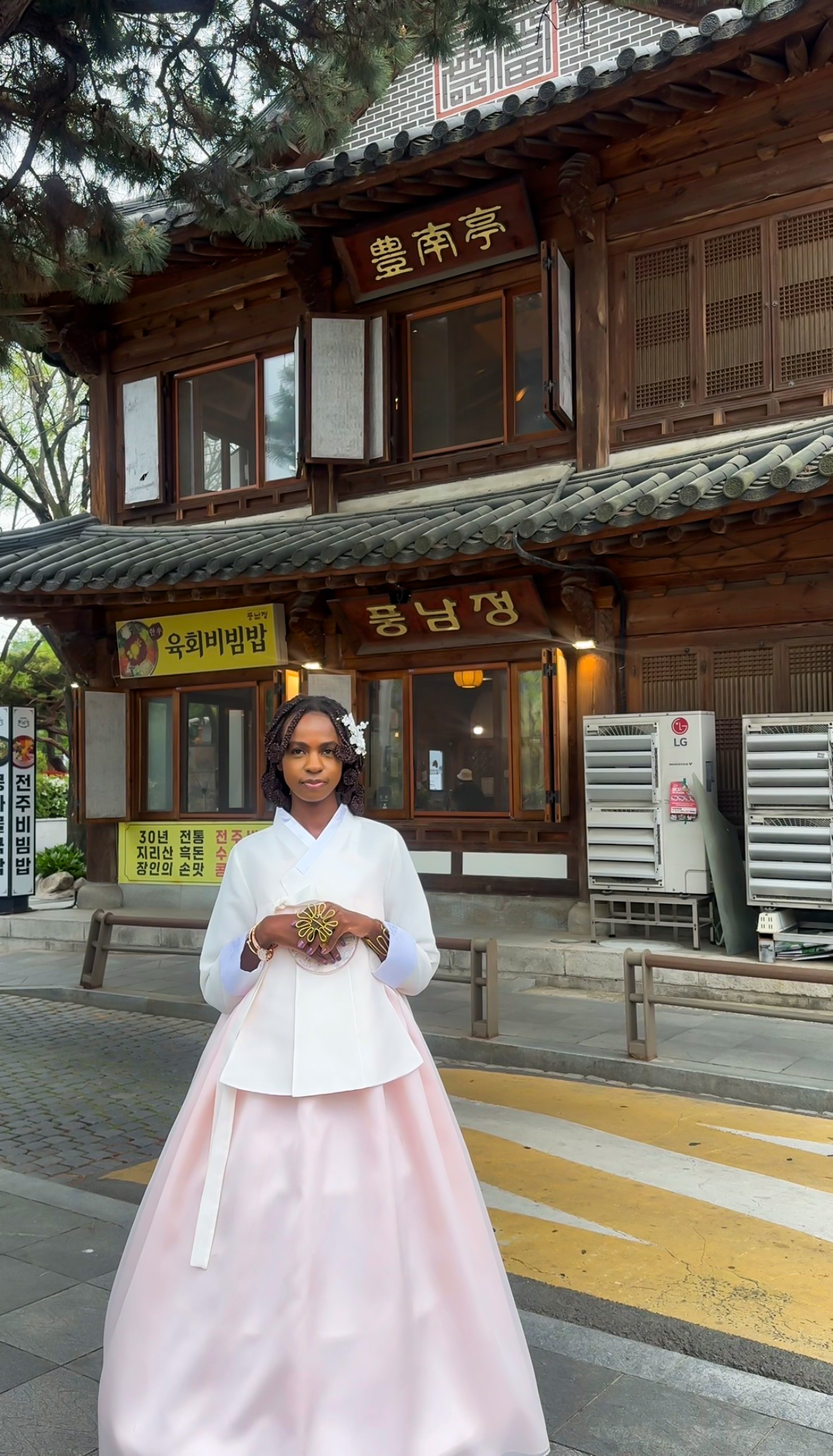
South Korea had been on my travel list for a while, particularly because of my interest in Korean culture, food, skincare, technology and, of course, the world of K-dramas. When I finally visited, South Korea turned out to be one of those destinations that felt both exciting and slightly challenging. The public transportation was incredibly efficient, the cities were modern and easy to explore, and there was so much to see and experience.
At the same time, the language barrier and differences in navigation meant that I had to approach the trip differently from destinations where I could simply open Google Maps and figure everything out. I spent 10 days and 9 nights in South Korea, visiting Seoul, Jeonju and Busan, with a few day trips along the way.
If you are a Kenyan traveller considering South Korea, here is what you need to know based on my experience.
South Korea at a Glance
- Language: Korean. English is spoken in many tourist areas, but a translation app is very useful outside the main tourist zones.
- Currency: South Korean won (KRW).
- Time difference: South Korea is 6 hours ahead of Kenya.
- Length of my trip: 10 days / 9 nights.
- Places visited: Seoul, Jeonju and Busan, plus a few day trips.
- Period visited: April.
- Flights: I flew from Osaka to Seoul. The flight took approximately 1 hour and 30 minutes.
- Best areas to stay: Myeongdong or Hongdae in Seoul, Jeonju Hanok Village in Jeonju, and Haeundae or Seomyeon in Busan.
- Safety: I felt very safe throughout my trip. I walked around a lot and used public transportation most of the time.
- Getting around: Walking, trains and the metro. I used taxis ,only for airport transfers.
South Korea is a fascinating destination if you are interested in Asian culture, food, skincare, technology, history and efficient public transportation.
When I Visited South Korea
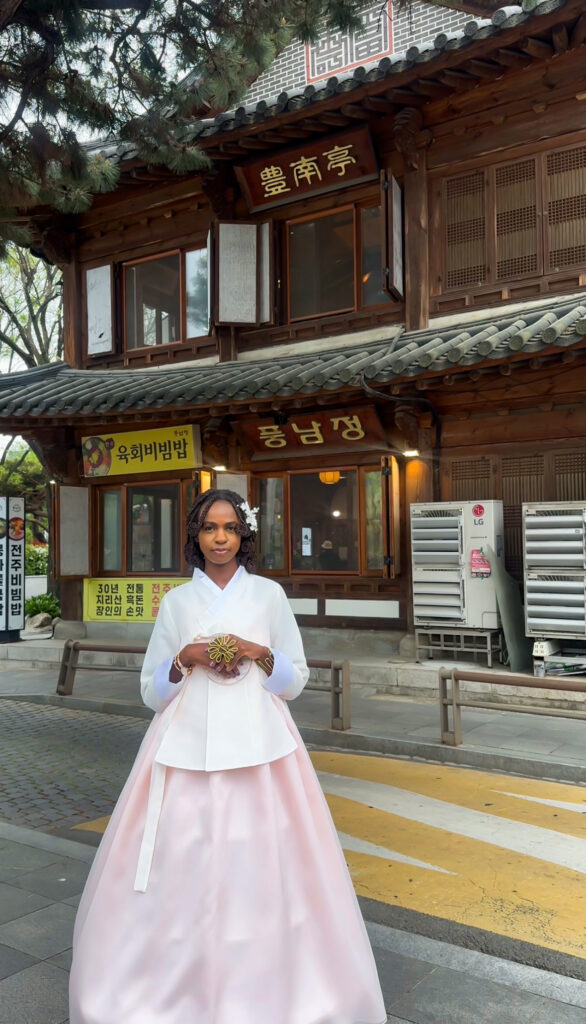
I visited South Korea in April, and I really liked the weather. It was not too cold and it was not too hot, which made it very comfortable for walking around and exploring. Personally, I would recommend April if you prefer moderate temperatures and want to spend a lot of time outdoors.
Of course, the best time to visit depends on what you want to experience. However, April worked really well for me because I could explore the cities without dealing with extreme temperatures.
How I Got to South Korea
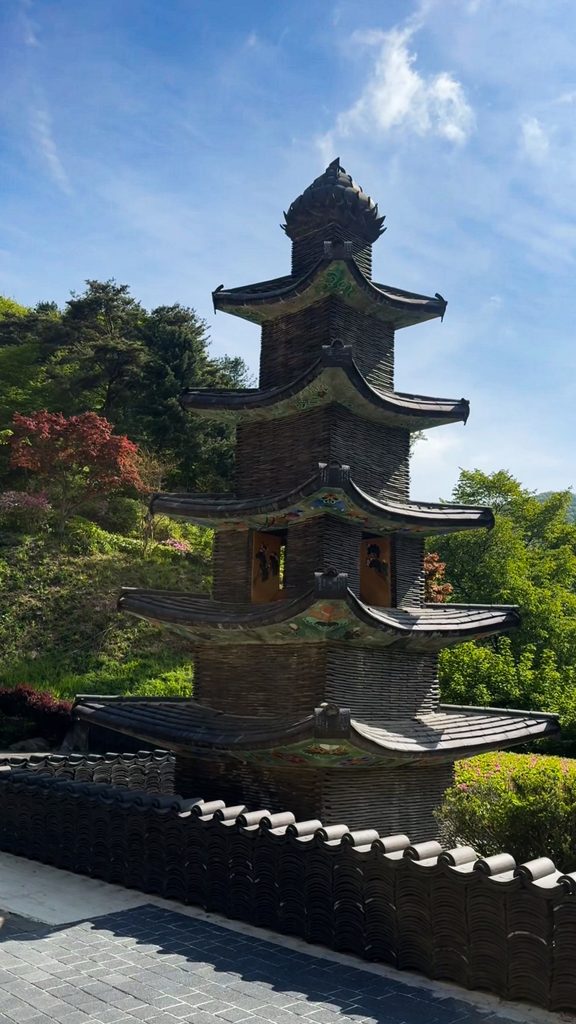
South Korea was part of a two-country Asia trip because I had just travelled through Japan. I flew from Osaka to Seoul, and the flight took approximately 1 hour and 30 minutes. If you are travelling directly from Nairobi, there are connecting options with airlines such as:
- Ethiopian Airlines via Addis Ababa
- Emirates via Dubai
- Qatar Airways via Doha
When comparing flights, I recommend looking at the total journey time, not just the ticket price. A cheaper flight with a long layover can make the journey considerably more tiring.
Where to Stay in South Korea
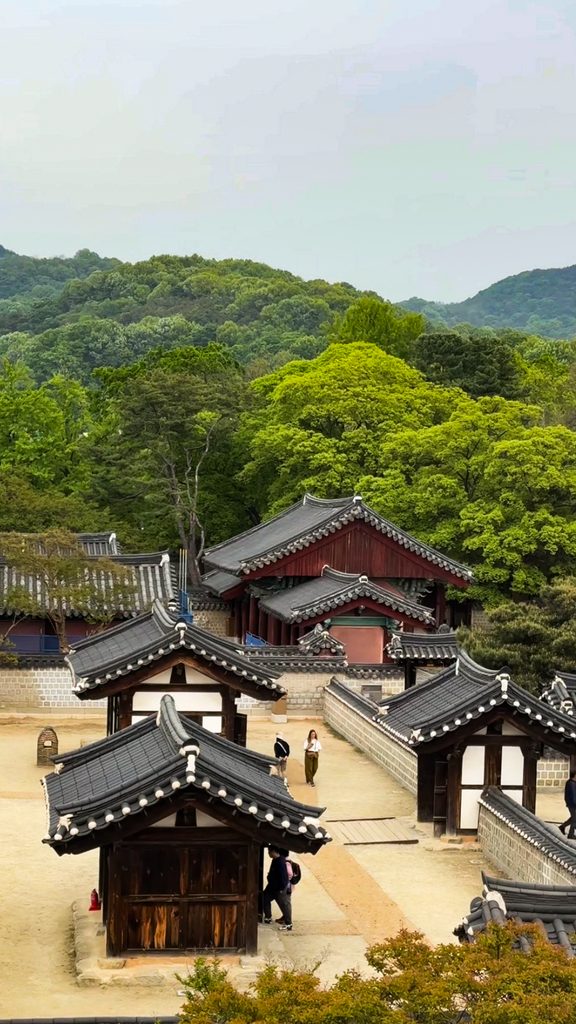
Seoul
For Seoul, I would recommend Myeongdong if you want to be central and close to shopping, restaurants and many of the major tourist attractions. Hongdae is another good option if you prefer a younger, more energetic atmosphere, with cafés, shops, restaurants and nightlife. Seoul is huge, so your choice of accommodation can make a difference to how much time you spend travelling between attractions. I would prioritise staying close to a subway station.
Jeonju
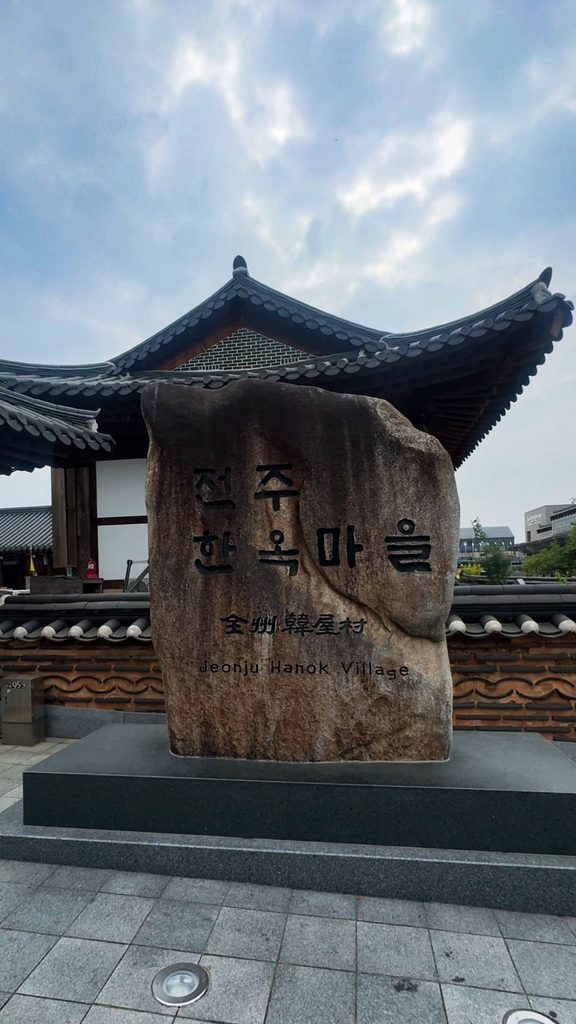
In Jeonju, staying around Jeonju Hanok Village makes the most sense if you want to experience the traditional side of the city. It also means that many of the attractions around the historic area are within walking distance.
Busan
For Busan, Haeundae is ideal if you want to be close to the beach. If your priority is transportation and being able to explore different parts of the city, Seomyeon is another good base.
Safety in South Korea
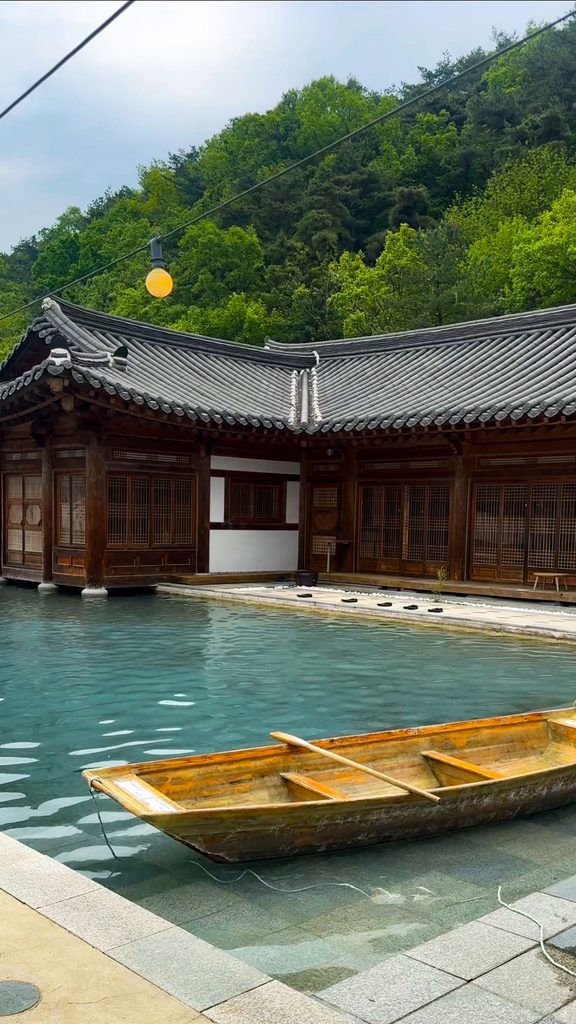
South Korea felt very safe to me. I walked around quite a lot and did not feel like I was constantly looking over my shoulder. I also rarely used taxis because most of the time I was either walking or using the train and metro system. There was, however, one thing that made me uncomfortable: being stared at.
As a Black traveller, you may find yourself being the only Black person in certain places, particularly outside the most tourist-heavy areas. People stared at me quite a lot. Generally, they did not say anything or approach me. They would simply look. This reminded me of my experience in Japan. If you are not used to this, it can definitely feel uncomfortable. Despite the staring, I did not feel unsafe during my trip.
I think it is worth mentioning this honestly so that Black travellers are not caught completely off guard. It did not prevent me from enjoying South Korea, but it was part of my experience.
Getting Around South Korea
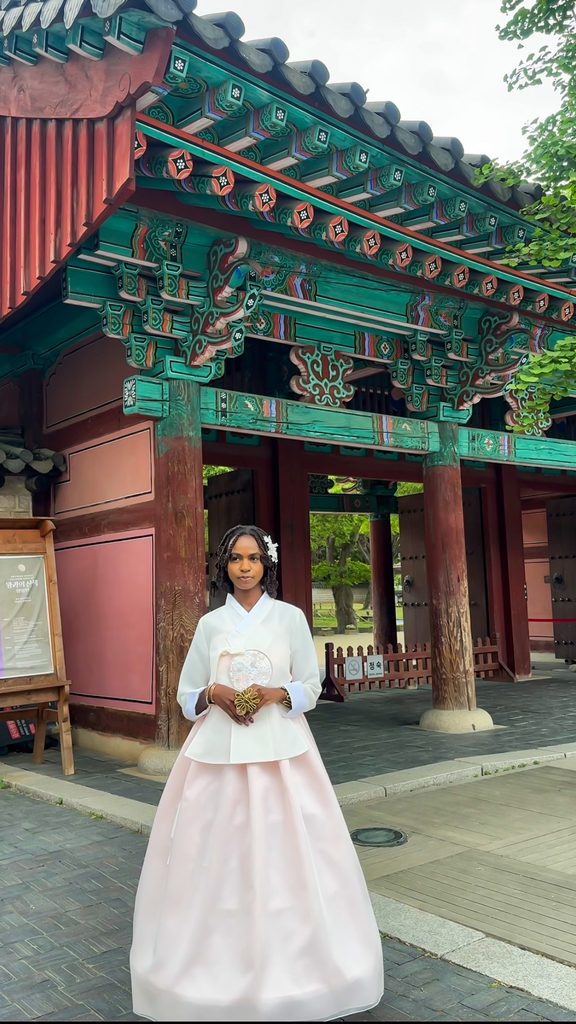
One of the things I really appreciated about South Korea was its public transportation system. It is excellent. I mostly walked and used trains and metros, which meant that I did not need taxis very often. I used taxis twice; to and from Incheon International Airport. Incheon International Airport is quite far from central Seoul, and getting into the city can take approximately 1–1.5 hours, depending on traffic and where you are staying.
Do Not Rely Entirely on Google Maps
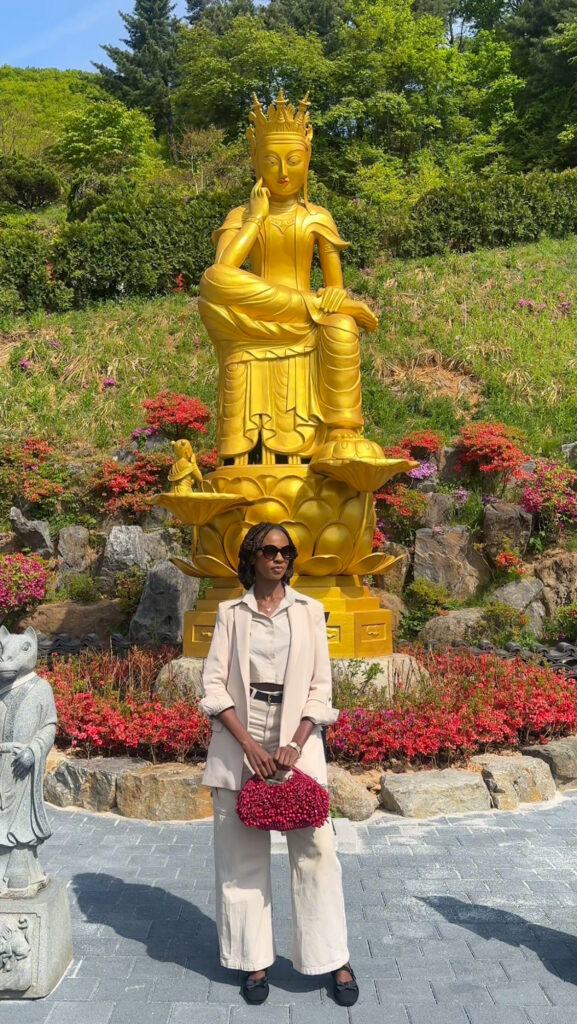
One very important thing to know before travelling to South Korea is that Google Maps does not work in quite the same way you may be used to in other countries. It can show locations, but its walking and public-transport navigation is not always as useful for everyday travel.
Instead, download Naver Map before your trip. It is useful for:
- Walking directions
- Subway routes
- Bus routes
- Estimated travel times
- Finding restaurants and businesses
- Locating attractions and shops
I recommend downloading your navigation apps before leaving Kenya and becoming familiar with them before your trip.
South Korea Visa Requirements for Kenyan Passport Holders
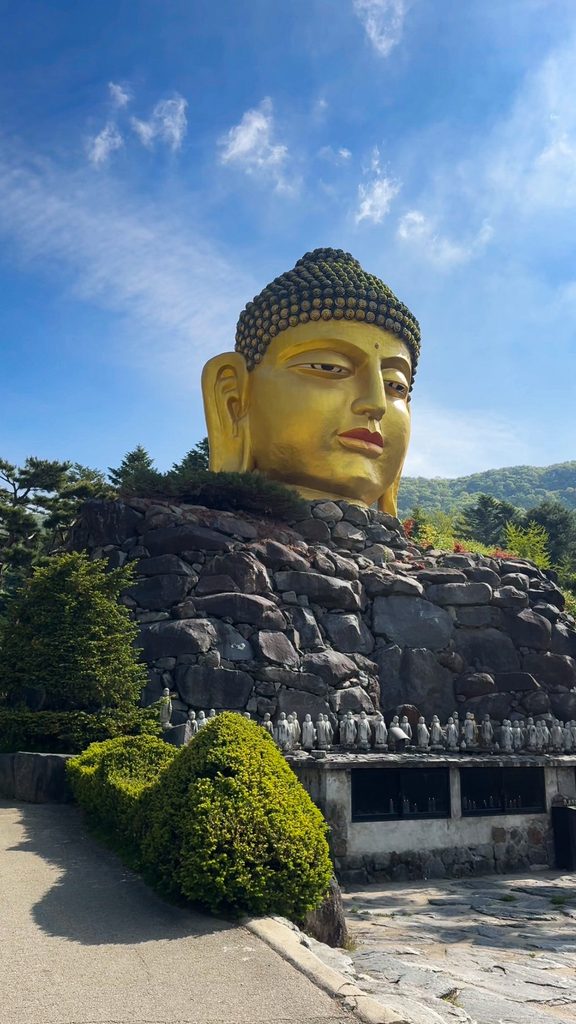
Kenyan passport holders require a visa to visit South Korea for tourism. I paid Ksh 5,400 for my tourist visa, and the processing took 7 days. I was issued a single-entry e-visa valid for 90 days. Visa fees and requirements may change, so I recommend confirming the latest details with the Korean Embassy in Kenya before applying.
The application is started online using the Korean visa application form. You then submit the required documents physically at the Embassy of the Republic of Korea in Nairobi. The embassy is located at Misha Tower, 1st and 2nd Floor, Westlands Road, Nairobi, Kenya. Visa applications are submitted from Monday to Friday, between 9:30 a.m. and 11:30 a.m.
Documents I Submitted For The Tourist Visa
The tourism requirements include:
- Hotel reservation
- Travel itinerary from a travel agent in Korea
- Return air-ticket booking
- Introduction letter from your employer
- Completed visa application form
- Passport-size photograph with a white background
- Valid passport and a copy of the passport biodata page
- Certified recent bank statements
- Visa fee
The embassy may request additional documents depending on your circumstances.
One piece of advice I always give when applying for visas is to make sure that your information is consistent. Your itinerary, accommodation, financial documents, employment information and reason for travel should all tell the same story. The embassy also allows applicants to check their visa status online through the Korea Visa Portal. If the visa is approved, you can print your Visa Grant Notice.
For the latest requirements, application instructions and contact details, check the Embassy of the Republic of Korea in Kenya before submitting your application.
My South Korea Itinerary
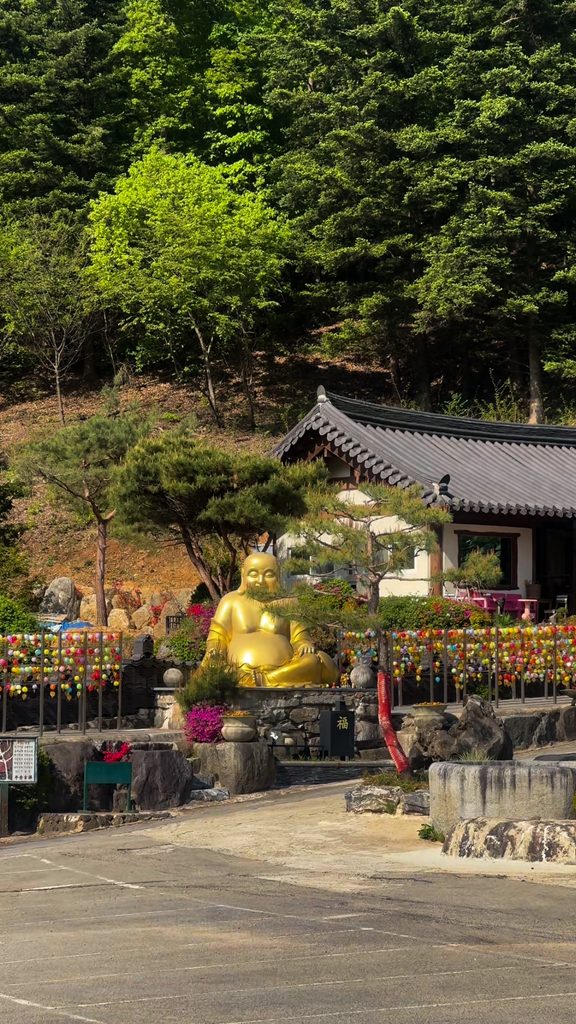
I spent approximately 9 nights in South Korea.
My route was: Seoul → Jeonju → Busan → Seoul
Here is how I divided the trip.
Seoul — 4 Nights
Seoul is a huge modern city where traditional Korea and futuristic Korea exist side by side. You have palaces, markets, shopping districts, cafés, restaurants, K-beauty, nightlife and some of the most technologically advanced infrastructure I have experienced. There is so much to do in Seoul that four nights gives you a good introduction, although you could easily spend much longer. Some of the things to explore include:
- Traditional palaces
- Markets
- Shopping districts
- Korean cafés
- K-beauty stores
- Korean food experiences
- Viewpoints
- Hongdae
- Myeongdong
- Cultural attractions
- Day trips outside Seoul
Jeonju — 2 Nights
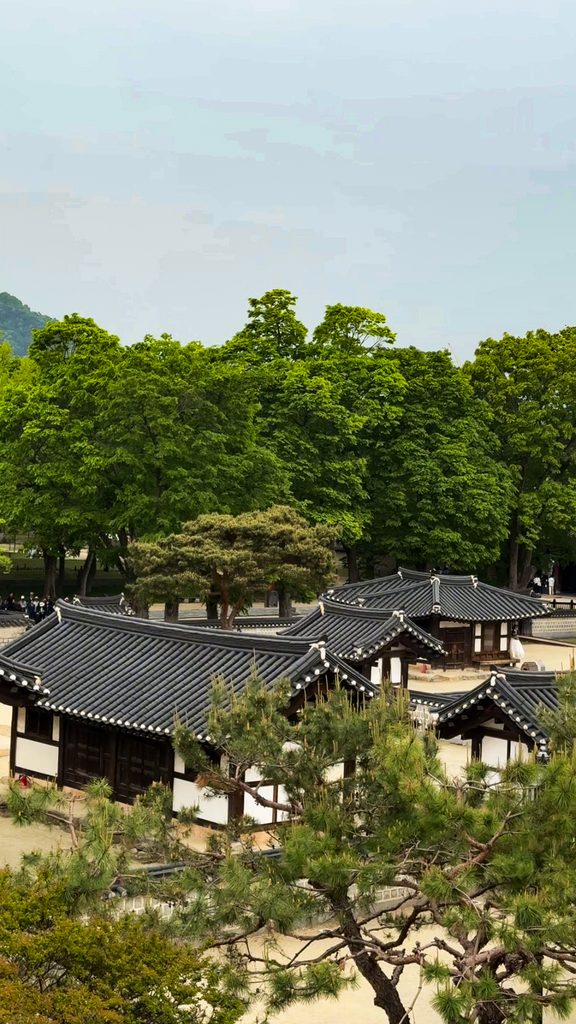
Jeonju was a completely different experience from Seoul. The city is known for its traditional architecture, particularly Jeonju Hanok Village. Here, you can walk through traditional Korean houses, eat local food and experience a much slower side of Korea.
If you are a K-drama fan, you will probably enjoy Jeonju even more because its traditional settings have been used as filming locations for Korean productions. For me, it was a really good contrast to the modernity and energy of Seoul. If your itinerary allows it, I would recommend adding at least a night or two here rather than spending your entire trip in Seoul.
Busan — 2 Nights
Busan gave me another completely different side of South Korea. It is the country’s coastal city, so the atmosphere is very different from Seoul. You have:
- Beaches
- Seafood
- Markets
- Temples
- Colourful neighbourhoods
- Coastal views
If you want to see more of South Korea beyond the capital, Busan is a great addition to your itinerary. Two nights gave me a taste of the city, although you could stay longer if you prefer a slower trip.
Final Night in Seoul
After Busan, I returned to Seoul for my final night before leaving South Korea. This brought the trip to 9 nights and 10 days. I actually like ending an itinerary back in the city you are flying out of, particularly when the trip involves multiple destinations. It gives you a little breathing room before your international flight instead of having to rush from another city to the airport on departure day.
Things to Do in Seoul
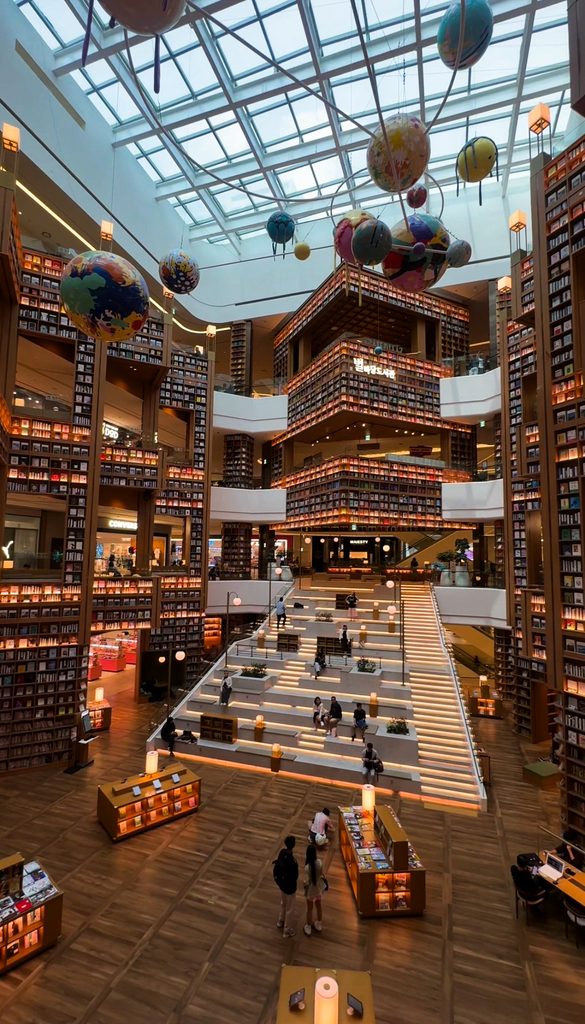
Seoul offers a mixture of history, shopping, food, culture, entertainment and beauty experiences. Depending on your interests, you could spend your time exploring palaces and markets, visiting cafés, shopping in Myeongdong, discovering Hongdae or booking a guided cultural experience.
Here are some experiences to consider when planning your Seoul itinerary:
- Half-Day City Highlights and Palace Tour with Hanbok
- Soju Tasting Experience
- Perfume-Making Workshop
- Guided Food and Market Tour with Tastings
- DMZ, the Third Tunnel and Suspension Bridge Tour
- Jewellery-Making Workshop
- Skin and Makeup Colour Analysis
- Seoul Nighttime Walking Tour
- Suwon Full-Day Tour
One of my favourite parts of the entire trip, however, was something I had not necessarily planned as a major highlight:
Korean skincare.
Olive Young and Korean Skincare
If you are interested in skincare, South Korea is a completely different experience. I spent quite a bit of time at Olive Young, one of the biggest and most popular beauty retailers in Korea. And no, Korean skincare is not necessarily cheap just because you are buying it in Korea. However, compared with buying many of the same products in Kenya after import costs, taxes and mark-ups, I found it much better value to purchase them directly in South Korea.
I also did a skin analysis, which was something I had wanted to experience for a while. I got to learn more about my skin, the colours that suit me, what works for me, what does not, and the types of makeup and products that complement me. As someone who is genuinely interested in skincare, this was one of my favourite parts of the trip.
If skincare and beauty are things you are interested in, I would definitely leave room in your Seoul itinerary for shopping and beauty experiences.
Things to Do in Jeonju
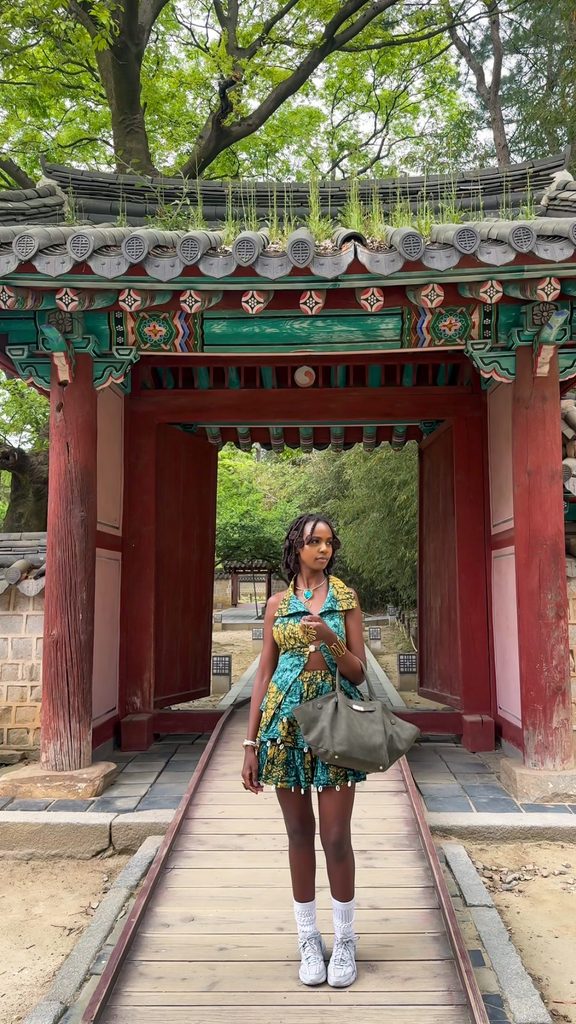
Jeonju is best experienced at a slower pace.
The main attraction is Jeonju Hanok Village, where you can walk through traditional Korean streets, admire the architecture and explore small shops, cafés and restaurants.
You can also:
- Explore traditional houses
- Try local Korean food
- Visit cultural sites
- Take photographs around the Hanok Village
- Enjoy the quieter atmosphere
- Discover locations associated with Korean dramas
Jeonju is a good place to include if you want your trip to be more than modern city sightseeing. If you are visiting from Seoul, you could consider a Jeonju full-day tour from Seoul or a guided tour of Jeonju.
Things to Do in Busan

Busan is a good choice if you want to experience South Korea’s coastal side.
Depending on how much time you have, you can explore:
- Beaches
- Seafood markets
- Coastal neighbourhoods
- Temples
- Colourful streets
- Viewpoints
- Local food spots
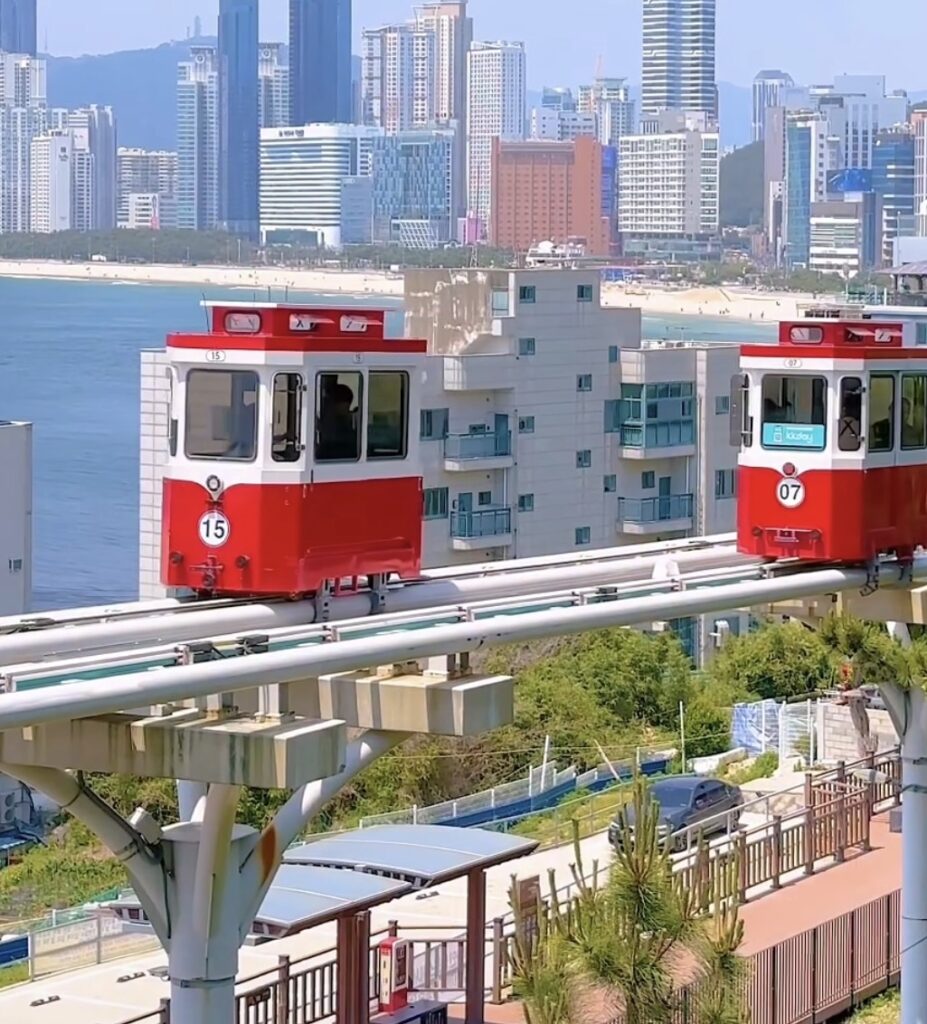
Busan has a different rhythm from Seoul, and adding it to your itinerary gives you a broader impression of the country. If you want to explore the coast, consider the Busan Coastal Highlights and Sky Capsule Full-Day Tour or the Busan Coastal Experience with Gamcheon Village and Sky Capsule.
For food lovers, a Busan food market tour is another option. You could also venture beyond Busan on a Gyeongju UNESCO full-day guided tour or explore the coastline on the Geoje Coastal Escape and Oedo Botania Island full-day tour.
Things You Need to Know Before Visiting South Korea
- Download Naver Map – This is probably my number-one practical tip. Do not rely entirely on Google Maps. Download Naver Map before you travel and get familiar with it. It will make navigating Seoul and the other cities much easier.
- Have a Translation App – Download Google Translate before your trip. Korean is the primary language, and while you will find English in many tourist areas, you cannot assume that everyone you interact with will speak English. Having a translation app made things significantly easier for me.
- Have Mobile Data – I strongly recommend having mobile data throughout your trip. You will be using Maps, Translation apps, Transportation apps, Restaurant searches, Booking apps. You do not want to be standing somewhere trying to figure out how to get back to your hotel without internet access. I recently discovered Kwetu, a Kenyan eSIM brand that I’ve been using to purchase data before travelling. It’s been working well for me, and I love that I can buy my data before leaving Kenya. Once I land at my destination, it starts working, so I don’t have to worry about finding a SIM card or sorting out internet access after arrival.
- Learn the Public Transportation System – South Korea’s subway system is extensive and efficient. Once you understand how it works, it becomes one of the easiest ways to get around the major cities. I found Naver Map particularly helpful because it clearly shows train and subway routes, making it easier to plan your journey and track which train to take. I walked and used public transport most of the time, so I rarely needed a taxi. When I did, I used Uber.
- Do Not Be Surprised If People Stare – This is particularly relevant if you are travelling as a Black person. You may attract attention simply because you stand out. My experience was mostly people looking rather than directly interacting with me. It was not something that prevented me from enjoying the trip, but knowing about it beforehand makes it easier to process when it happens.
- Plan for Walking – Even though public transportation is excellent, you may still walk a lot, particularly when exploring markets, shopping districts, cultural areas and subway stations. Comfortable shoes are essential.
- Keep Your Itinerary Flexible – South Korea has plenty to see and do, and it can be tempting to fill every day with activities. However, allow some time for wandering, shopping, cafés, food stops and unexpected discoveries. Some of my favourite moments came from simply exploring rather than following a strict schedule.
Is South Korea Good for Solo Travel?
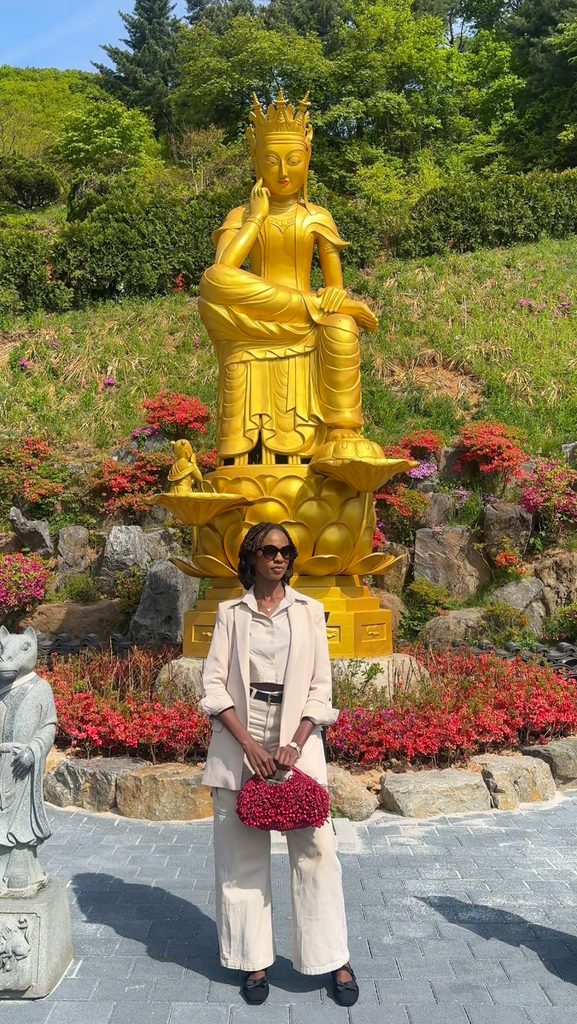
Yes, but I would recommend it more to experienced solo travellers. I was comfortable exploring South Korea on my own, using public transportation and walking around. The biggest challenge was not necessarily safety. For me, it was navigating a country where the language, writing system, apps and some cultural norms are different from what I am used to.
If you have travelled internationally before, these things are much easier to manage. If this is your first international trip, I would personally choose a destination with a smaller language and navigation barrier.
Is South Korea Good for Couples?
Absolutely.
You can have a really fun trip as a couple, particularly if you both enjoy food, shopping, cafés, culture, skincare and exploring cities. That said, South Korea would not be my first choice for a honeymoon destination. For a couples’ holiday, however, it can definitely work well.
Is South Korea Good for Families?
Yes.
The combination of efficient transportation, attractions, shopping, food and cultural experiences means that there is plenty to do for families. The main consideration would be how comfortable everyone is with walking and navigating a large city. Seoul in particular involves a lot of movement, so it is worth planning your days around a few nearby attractions rather than trying to cover too much ground at once.
My Final Take
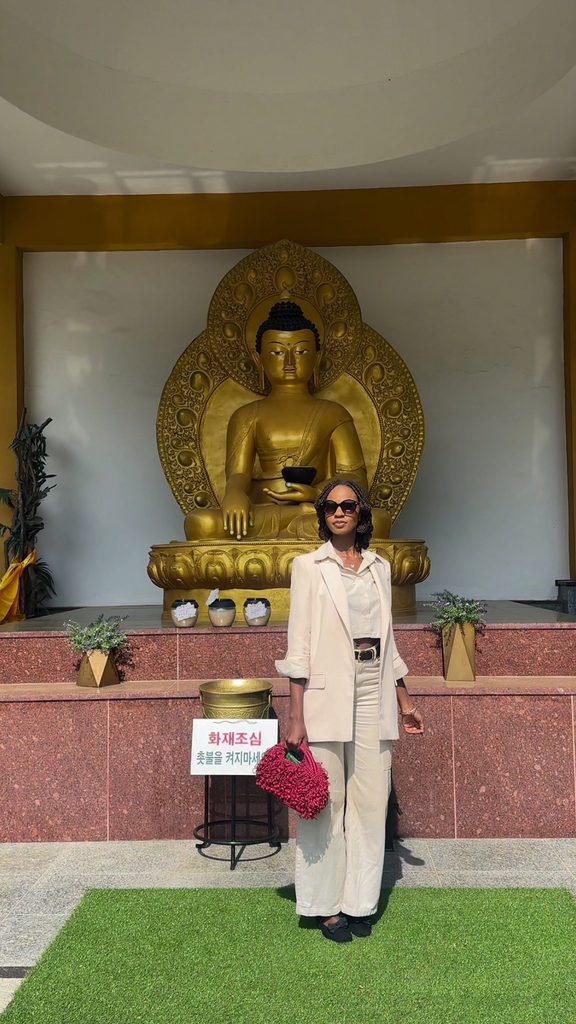
South Korea was an interesting destination because it gave me some of the same experiences I had in Japan, but it also felt distinctly different. I would recommend South Korea to experienced solo travellers, couples, friends and families. I would not necessarily recommend it as someone’s first international trip because the language barrier, navigation differences and cultural differences can make the experience more challenging if you have never travelled internationally before.
But if you love Korean culture, K-dramas, skincare, food, fashion, technology or Asian history, you will probably get a lot out of the trip. For me, one of the highlights was definitely the skincare experience. Beyond that, I enjoyed exploring a country that felt so different from what I am accustomed to while still being able to move around independently. South Korea is one of those destinations where preparation makes a huge difference.
Download your apps, arrange your mobile data, learn how the transport system works and do not depend entirely on Google Maps. Do that, and you will have a much easier time exploring. I would definitely go back.
More Travel Guides for Kenyan Travellers
Planning to explore more destinations? You may also enjoy our other travel guides:
- Travelling to Japan with a Kenyan Passport: The Complete Guide
- Travelling to Brazil with a Kenyan Passport: The Complete Guide
- Travelling to Peru with a Kenyan Passport: The Complete Guide
These guides include practical visa information, flight advice, safety tips and first-hand travel experiences from a Kenyan traveller’s perspective.
Need Help Planning Your South Korea Trip?
If you’d rather have someone help you plan your trip from start to finish, The JustRioba Way offers personalised travel planning and travel consultations to help you create an itinerary suited to your travel style, interests and budget.
We also organise annual group trips around the world, so if you would rather explore with a group, you’re welcome to sign up and join us on our next adventure. Whether you need help planning Brazil or another destination, we’re here to help make the process easier.
For travel inspiration, tips and destination guides, follow us on:
Instagram & TikTok: @thejustriobaway
For personalised travel planning and consultations, email us at admin@justrioba.com or get in touch through our enquiry forms. Your next adventure starts here.
