
 Asia
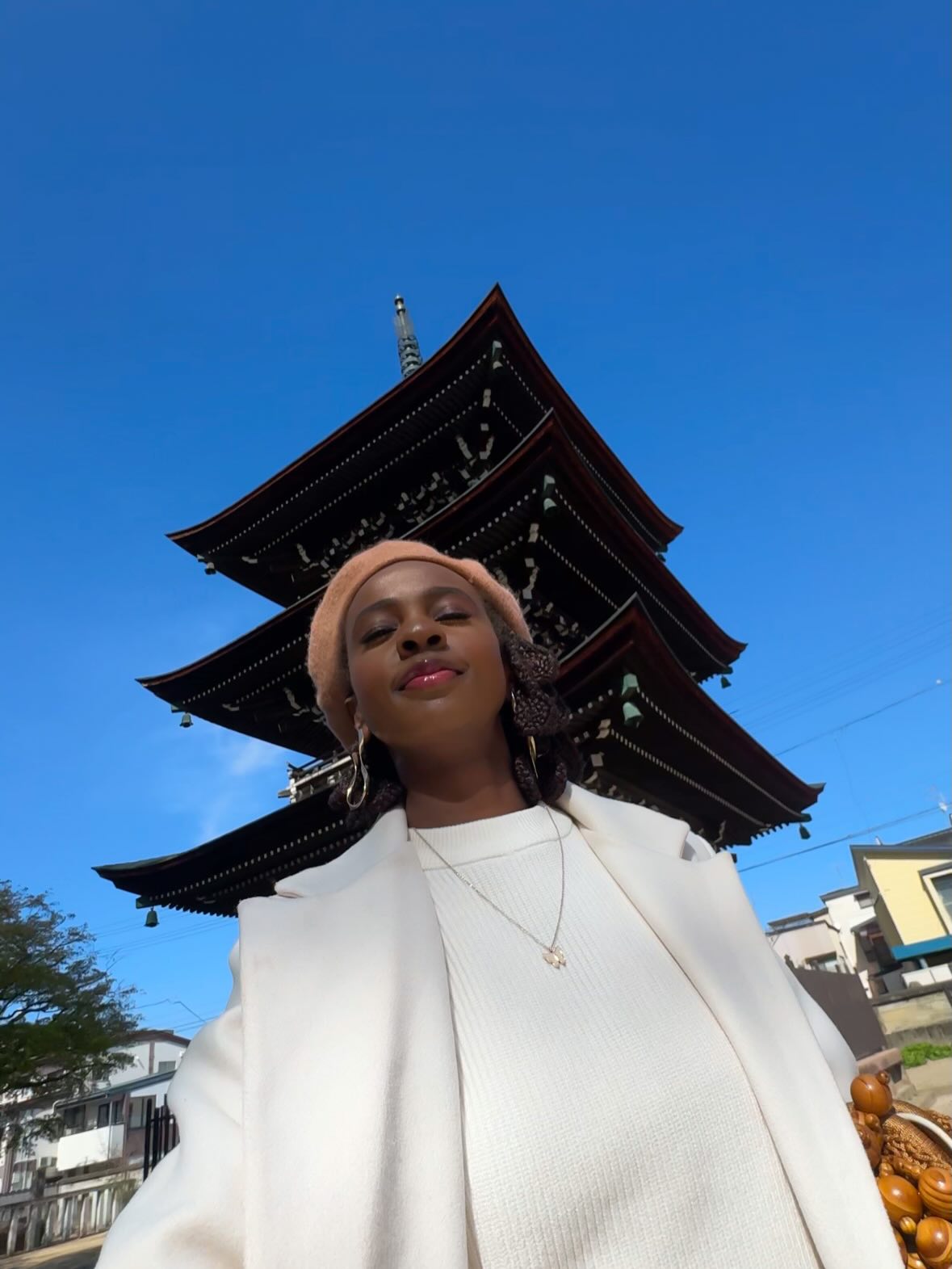
AsiaJapan had been on my travel list for a long time, and when I finally visited, it lived up to the hype. I spent 22 days travelling around Japan visiting Tokyo, Fujikawaguchiko, Takayama, Kyoto and Osaka. What stood out most was how different each destination felt.
Tokyo was huge, futuristic and constantly moving. Fujikawaguchiko offered a slower-paced Mount Fuji experience. Takayama showed us a quieter and more traditional side of Japan, while Kyoto was filled with temples, shrines and Japanese culture. Osaka, on the other hand, was all about food, shopping and nightlife.
Japan is also one of the safest destinations I have ever visited. If you are considering travelling to Japan with a Kenyan passport, this guide covers the visa process, flights from Nairobi, accommodation, transport, cultural expectations, my personal experience and the itinerary I followed.
Planning other long-haul trips? You may also enjoy our guides to travelling to Brazil with a Kenyan passport and travelling to Peru with a Kenyan passport.
Japan at a Glance
- Language: Japanese
- Currency: Japanese Yen (JPY)
- Places visited: Tokyo, Fujikawaguchiko, Takayama, Kyoto and Osaka
- Length of trip: 22 days
- Time difference: Japan is 6 hours ahead of Kenya
- Month visited: March
- Getting around: Walking, trains, buses and Ubers. For long-distance travel, I used Willer Express and Keio Bus. Bus tickets should be booked in advance. You can also rent a car; Japan drives on the left, like Kenya, but you will need an International Driving Permit/licence. Train tickets can be purchased directly at the station.
- Best time to visit: March, although cherry blossom season can be busy
- Accommodation: Hotels and guesthouses in convenient areas close to transport links
When Is the Best Time to Visit Japan?
I visited Japan in March, and the weather was generally comfortable. It was cool but not too cold, and I did not experience any major weather problems during the trip. However, March is also a very busy period, particularly because of cherry blossom season. Some major tourist destinations can become extremely crowded, and Kyoto was especially busy when I visited.
If I were travelling to Japan again, I would probably choose a period outside the busiest season to avoid some of the crowds. That said, Japan remains one of my favourite destinations. If cherry blossoms are important to you, March can be a beautiful time to visit, but you should prepare for higher demand, busy attractions and crowded transport.
Where to Stay in Japan
One thing to know before booking accommodation in Japan is that hotel rooms can be much smaller than you may be used to. Many hotels and properties are compact, particularly in major cities. If you prefer larger rooms or more space, this is something to consider when choosing your accommodation, especially if you are travelling with large suitcases.
Where to Stay in Tokyo
For a first visit, Shibuya is a popular area for visitors who want to be close to shopping, restaurants, nightlife and major attractions. Shinjuku is another excellent option and, in my opinion, one of the most practical areas for a first-time visitor because of its major train connections.
Other areas worth considering include:
- Asakusa: Best for experiencing Japan’s history, culture and traditions
- Ginza: Best for a modern and luxury experience
Where I stayed: Hotel Sunroute Plaza Shinjuku
Where to Stay in Kyoto
In Kyoto, I recommend staying around Shijo-Kawaramachi or Gion/Higashiyama if you want to be close to restaurants, shopping and traditional attractions. Kyoto Station is another practical option, especially if you plan to take day trips or use trains frequently.
Where I stayed: Sotetsu Fresa Inn Kyoto Shijokarasuma
Where to Stay in Osaka
For first-time visitors, I recommend Namba or Shinsaibashi. These areas are close to restaurants, shopping, nightlife and convenient transport connections. Umeda is another good option if you prefer a modern business and shopping district and want easy access to Osaka Station.
Where I stayed: Sotetsu Grand Fresa Osaka
Where to Stay in Takayama
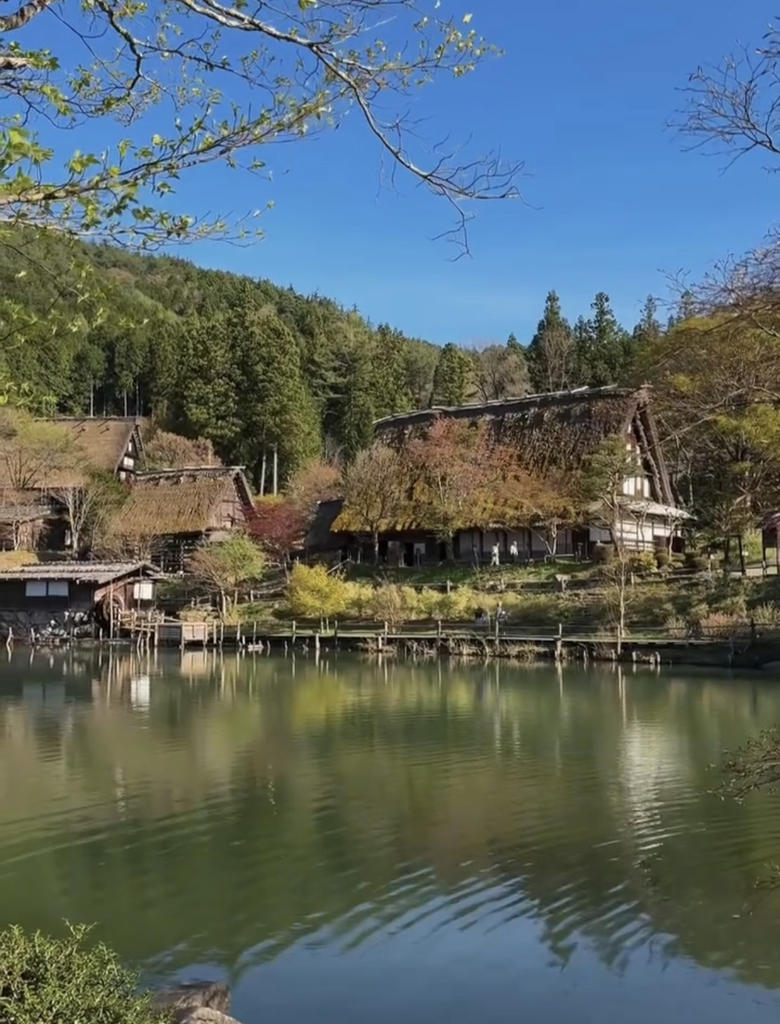
Takayama is much smaller and more walkable than Tokyo, Kyoto or Osaka. I recommend staying close to Takayama Old Town or Takayama Station so that you can easily explore the town.
Where I stayed: Tokyu Stay Hida-Takayama Musubinoyu
Where to Stay in Fujikawaguchiko
If you are visiting Fujikawaguchiko for the Mount Fuji experience, I recommend staying around Lake Kawaguchi. This makes it easier to access many of the area’s attractions and gives you a better chance of enjoying views of Mount Fuji when the weather is clear.
Where I stayed: Lake Land Hotel Mizunosato
Is Japan Safe?
Japan is honestly one of the safest destinations I have ever visited. Despite the huge populations in cities such as Tokyo and Osaka, I always felt very safe. The people were also extremely kind and helpful. Even when there was a language barrier and people did not speak English, they still made an effort to assist us.
Google Translate became our friend very quickly. There is, however, something about Japanese culture that visitors should understand: Japanese people generally value silence and consideration for others. I noticed this from the moment I landed at Narita Airport. It was one of the quietest airports I had ever experienced.
When using public transport:
- Keep your voice down.
- Avoid loud phone calls. Avoid phone calls in public transportation
- Do not play music or videos loudly.
- Be considerate of other passengers.
- Follow instructions and local rules.
Many hotels and accommodations are located close to residential neighbourhoods, so be respectful when walking through these areas. Avoid making unnecessary noise and follow any signs or restrictions.
A Very Japanese Experience: Where Are the Trash Bins?
One of the things that surprised me most was the lack of public rubbish bins. Japan is one of the cleanest countries I have ever visited, yet there are surprisingly few public trash bins in many places. So, what do you do with your rubbish?
You carry it with you. I always kept a small trash bag in my day bag so that I could store rubbish until I found an appropriate place to dispose of it. It may seem like a small detail, but carrying a small bag for rubbish makes your trip much easier.
Getting Around Japan
Japan has one of the best public transportation systems I have experienced. I walked quite a lot and relied heavily on trains, but I also used buses and Uber when necessary. In the major cities, trains are generally the easiest and most practical way to get around.
For longer journeys, Japan’s high-speed trains, including the Shinkansen, can make travelling between major cities very convenient. I also used long-distance buses. The bus companies I used were:
- Willer Express
- Keio Bus
If you are travelling by bus between destinations, I recommend booking your tickets in advance.
Can You Rent a Car in Japan?
Yes, you can rent a car if it suits your itinerary. One thing that makes Japan relatively familiar for Kenyan travellers is that Japan drives on the left, just like Kenya.
However, you will need an International Driving Permit/licence if you plan to drive. For major cities such as Tokyo, Kyoto and Osaka, I personally do not think a car is necessary. The public transportation system is too good, and driving in busy city areas may be more stressful than useful.
Suica Card vs Japan Rail Pass
Before my trip, I heard a lot about the Japan Rail Pass. I decided not to buy one. The reason was that my itinerary included destinations such as Takayama and Fujikawaguchiko, where I was not going to use the rail pass heavily enough to justify the cost.
Instead, I used a Suica card. I loaded money onto the card and used it for public transportation and for purchases such as snacks and food at convenience stores like:
- Lawson
- FamilyMart
- 7-Eleven
I bought my Suica card at a train station. However, if you are planning a shorter trip focused mainly on the major cities and expect to use high-speed trains frequently, a Japan Rail Pass may be convenient. Japan Rail Pass options here. My advice is to look at your actual itinerary and calculate whether the pass makes financial sense rather than buying it automatically because it is recommended online.
Japan Visa Requirements for Kenyan Passport Holders
For Kenyan passport holders, Japan requires a tourist visa. When I applied, the visa fee was KES 2,500. The fee has since increased. For applications submitted from 1 July 2026 to 31 March 2027, the fee is stated as KES 13,050, payable in cash when collecting the visa.
You should always confirm the latest fee and requirements directly with the Embassy of Japan in Kenya before applying. Check the latest visa information from the Embassy of Japan in Kenya.
I applied approximately three months before my trip. I first downloaded the visa application form and requirements from the embassy’s website, prepared my documents and then submitted my application in person. My visa was ready in approximately one week.
Is the Japan Visa Difficult to Get?
I would not describe the Japanese tourist visa as particularly difficult to apply for. However, the Japanese authorities are quite particular about documentation. You may be asked to provide additional documents or correct something before your application can be processed.
The itinerary form is particularly important. Make sure it is completed exactly as required, including:
- Dates
- Daily itinerary
- Accommodation details
- Contact details of service providers
- A clear breakdown of your travel plans
Documents I Submitted
- Completed visa application form
- Passport and a copy of the bio-data page
- Passport photograph
- Six months of officially certified bank statements
- Flight booking or air-ticket reservation
- Accommodation booking
- Detailed travel itinerary
- Proof of business for self-employed applicants
- Proof of directorship
- Business registration documents
- Business permit or licence
- Employment letter and supporting documentation for employed applicants
Requirements may vary depending on your circumstances, so check the current official checklist before preparing your application. I recommend making reservations rather than purchasing non-refundable flights and accommodation before your visa has been approved. When I applied, I received a visa covering approximately the number of days I requested, with four additional days.
Important visa note: Visa fees, requirements, processing times and visa validity can change. The information in this section reflects my experience and the fee information available at the time of writing. Always verify the latest requirements directly with the Embassy of Japan in Kenya before applying.
Flying from Nairobi to Japan
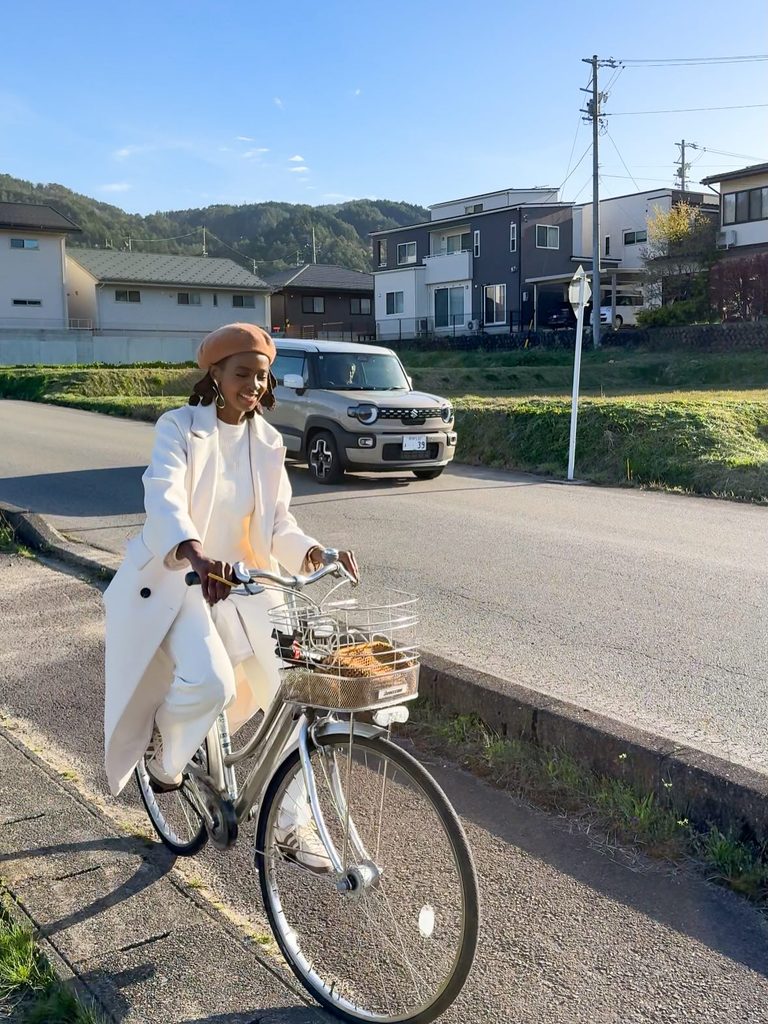
I flew from Nairobi to Tokyo with Emirates via Dubai. The first flight from Nairobi to Dubai took approximately five hours, followed by another approximately 10-hour flight from Dubai to Tokyo. It is a long journey, so plan for a full travel day and allow yourself time to rest after arriving.
Other airlines to consider include Qatar Airways via Doha and Ethiopian Airlines via Addis Ababa. Flight times and schedules can vary, so compare the available routes and prices when booking your trip.
My Experience as a Kenyan Passport Holder
My experience arriving in Japan was very smooth. Before landing, we completed the required digital arrival procedures online. Once we arrived, immigration was straightforward. We answered a few standard questions about our trip and did not spend a particularly long time at the airport.
After immigration and collecting our luggage, we were able to take the train and connect directly to our accommodation in Tokyo. Overall, there were no major issues during our arrival. The language barrier was probably the biggest adjustment. Japanese is the primary language, and outside major tourist areas, you will encounter many people who do not speak much English.
However, I never found this to be a major problem because people were generally helpful and willing to assist. Google Translate was particularly useful, and I strongly recommend downloading it before your trip.
Visit Japan Web: The Digital Arrival Process
Before travelling to Japan, you can complete your arrival procedures online through Visit Japan Web. The process involves registering your trip and providing the relevant immigration and customs information before arrival.
How Visit Japan Web Works
- Create a Visit Japan Web account
Create your account here. - Register your passport details.
- Enter your Japan trip information, including:
- Arrival date
- Flight number
- Airport of arrival
- Accommodation in Japan
- Address and contact details
- Complete the immigration information.
- Complete the customs declaration.
- Receive the relevant QR code or codes to present at the airport.
I recommend completing this before your trip rather than leaving everything until you arrive at the airport.
My 22-Day Japan Itinerary
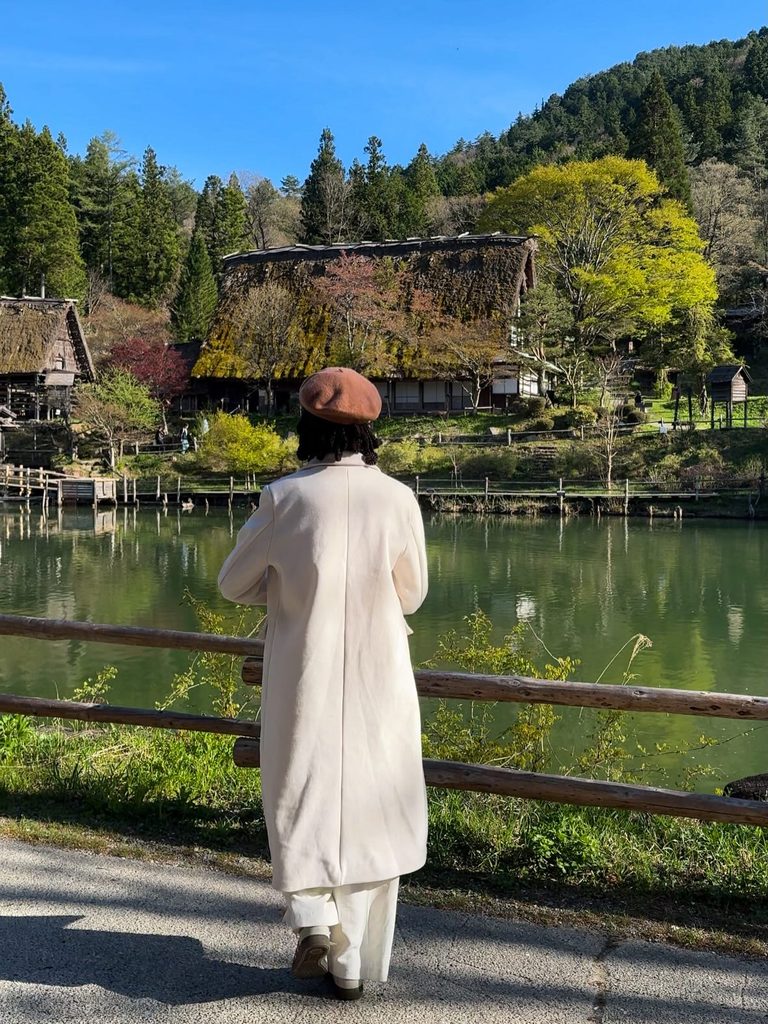
I spent 22 days travelling around Japan.
My route was: Nairobi → Tokyo → Fujikawaguchiko → Takayama → Kyoto → Osaka → Nairobi
Trip at a Glance
| Destination | Nights |
|---|---|
| Tokyo | 5 |
| Fujikawaguchiko | 3 |
| Takayama | 4 |
| Kyoto | 5 |
| Osaka | 5 |
Tokyo
Tokyo is enormous. Do not underestimate how long it can take to move between different neighbourhoods and attractions. The train system makes getting around relatively easy, but you will still spend a lot of time walking and travelling between places.
For a first trip, I would prioritise:
- Shibuya
- Shinjuku
- Harajuku
- Asakusa
- Tokyo Station and Ginza
- Akihabara
Tokyo was our introduction to Japan, and it immediately showed us how different the country was going to be. There was always something happening, from shopping and food to technology, entertainment and completely different neighbourhoods.
Things to Do in Tokyo
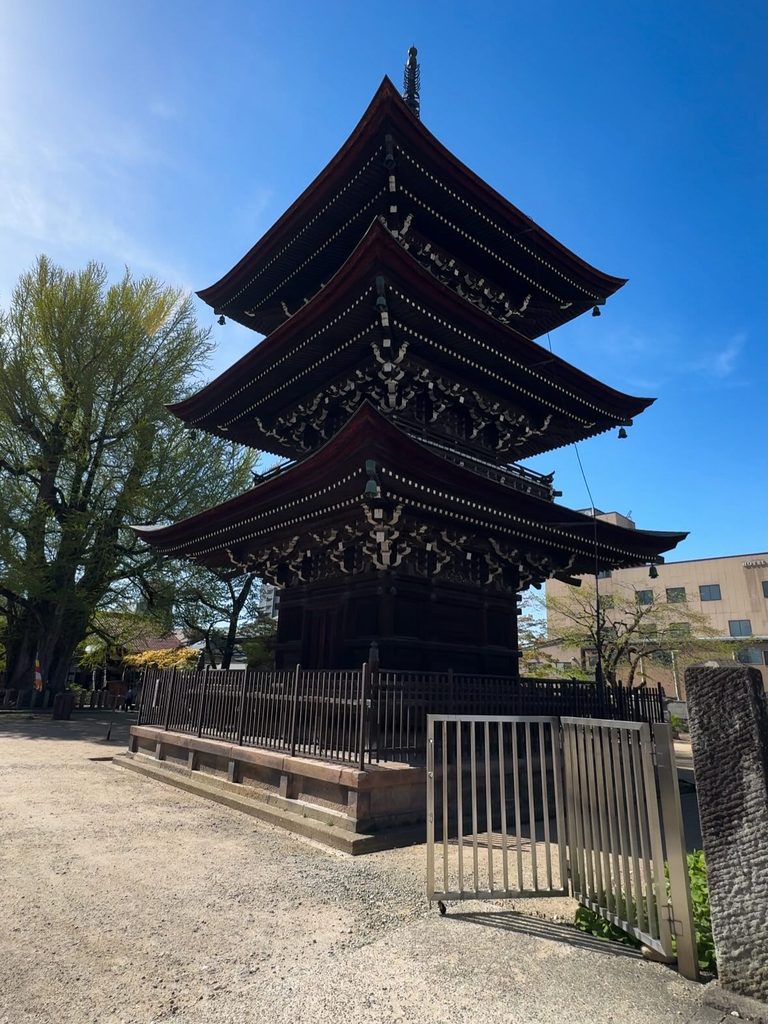
If you are planning your Tokyo itinerary, these are some of the activities and experiences worth considering:
- Tokyo customised tour – A private tour that can be tailored around the places and experiences you want to see in Tokyo. This is a good option if you want a more personalised way to explore the city.
- Tokyo Disneyland – Spend a day at Tokyo Disneyland with rides, attractions and entertainment for visitors of different ages. It is a good option if you want to add a fun day out to your Tokyo itinerary.
- Tokyo private full-day tour – Explore Tokyo with a private guide and tailor the day around the sights and areas that interest you most. A full-day tour can be useful if you want to see several parts of the city without planning everything yourself.
- Tokyo private tour with Japan Wonder Travel – A private Tokyo tour with a local guide, giving you the opportunity to explore the city with a more personalised itinerary.
- Tokyo highlights tour – A half-day tour covering some of Tokyo’s main sights and neighbourhoods. It can be a good choice if you have limited time and want an introduction to the city.
- Shinjuku Gyoen National Garden – Visit one of Tokyo’s well-known gardens and take a break from the busy city streets. It is particularly enjoyable if you want some greenery and a quieter experience during your time in Tokyo.
- teamLab Planets digital art museum – An immersive digital art experience where you move through large-scale installations and interactive spaces. It is a very different experience from Tokyo’s traditional temples and gardens.
- Shibuya SKY – Visit the observation deck for panoramic views across Tokyo and the Shibuya area. It is a good option if you want to see just how large and busy Tokyo is from above.
- Tokyo Tower experience – Visit one of Tokyo’s most recognisable landmarks and enjoy views across the city from the tower. It is a good addition if you want to combine sightseeing with city views.
- Tokyo sumo live experience – Get an opportunity to watch sumo wrestling and learn more about one of Japan’s best-known traditional sports. This is worth considering if you want to experience an important part of Japanese culture while in Tokyo.
- Fast & Furious Tokyo experience – An experience for fans of the Fast & Furious franchise who want to explore Tokyo through the world of the films. It offers something different from the usual sightseeing tours.
- Tokyo hop-on hop-off sightseeing bus – See Tokyo from an open-top sightseeing bus and hop off at different stops to explore at your own pace. This can be useful if you want an easy overview of the city without navigating the train system for every attraction.
- Tokyo go-karting tour – Explore parts of Tokyo while taking part in a go-karting experience. It is a more unusual way to see the city and may appeal to travellers looking for something more adventurous.
- Asakusa and Senso-ji Temple experience – Explore Asakusa and visit Senso-ji Temple, one of Tokyo’s best-known cultural landmarks. This experience gives you a chance to see an older side of Tokyo and learn more about the city’s history and traditions.
- Shinjuku food tour – Explore Shinjuku through its food and local dining spots with a guided experience. It is a good option if trying Japanese food is an important part of your trip.
- Narita Airport transfer – Pre-book a transfer between Narita Airport and your accommodation in Tokyo. This can make your arrival easier, particularly if you have large suitcases or are arriving after a long international flight.
- Haneda Airport transfer– Arrange a transfer between Haneda Airport and your accommodation in Tokyo. Having your transport organised in advance can make arriving in a new city less stressful.
Fujikawaguchiko
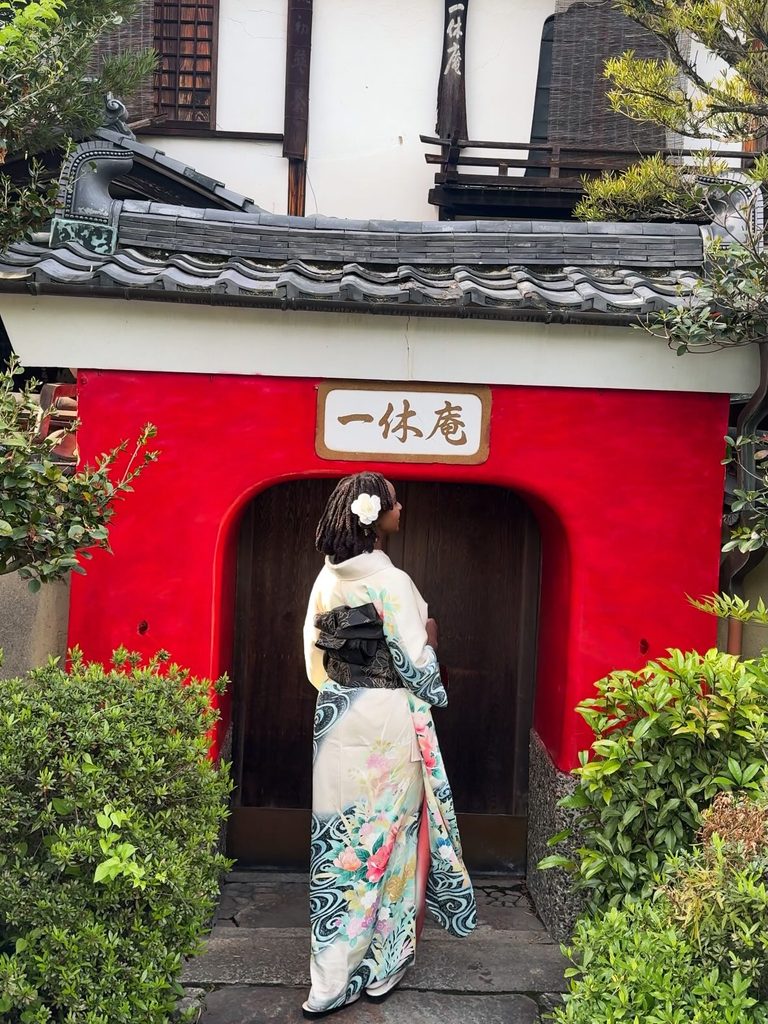
We travelled from Tokyo to Fujikawaguchiko by bus. Fujikawaguchiko is one of the best places to visit if you want to experience the Mount Fuji area. It is much quieter and slower-paced than Tokyo, which makes it a great contrast after spending several days in the city. Of course, Mount Fuji is the star attraction. But seeing Mount Fuji is not guaranteed.
Weather conditions can make the mountain disappear behind clouds, so do not plan your entire visit around seeing Mount Fuji at one specific time. Give yourself enough time in the area to increase your chances of getting a clear view. Even if Fuji decides not to show up, there are still plenty of other experiences to enjoy around the area.
I recommend staying around Lake Kawaguchi, where you can enjoy the scenery and access many of the area’s attractions. If you are staying in Tokyo and want to visit the Mount Fuji area, you can also consider a Mount Fuji day trip from Tokyo.
Takayama
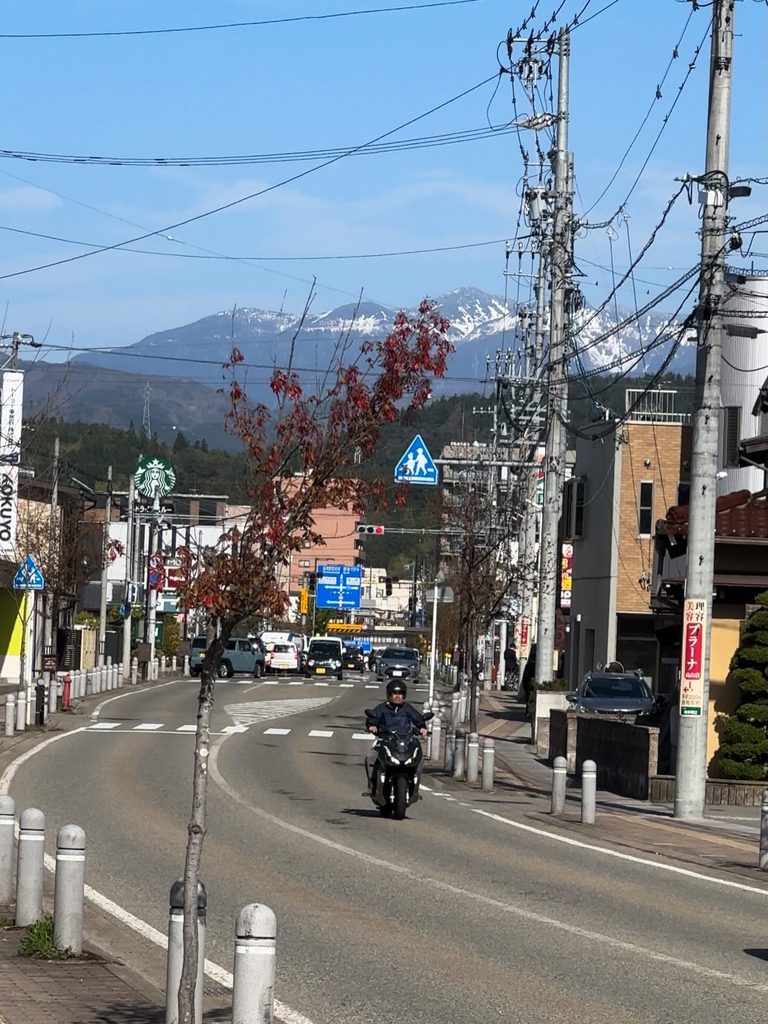
We travelled from Fujikawaguchiko to Takayama by train. This was one of the longer and more complicated travel days of the trip. We took approximately three trains towards Matsumoto, including two high-speed trains, and then a bus to Takayama.
It was essentially a full day of travel. There is also a direct bus option between Fujikawaguchiko and Takayama, which may be more convenient depending on your itinerary. This was something I learned during the trip:
Japan’s transportation system is extremely efficient, but efficient does not always mean simple.
Some routes, particularly between smaller destinations, require multiple connections. Check your route carefully before leaving your accommodation and allow enough time to change trains, especially if you are travelling with luggage.
What I Loved About Takayama
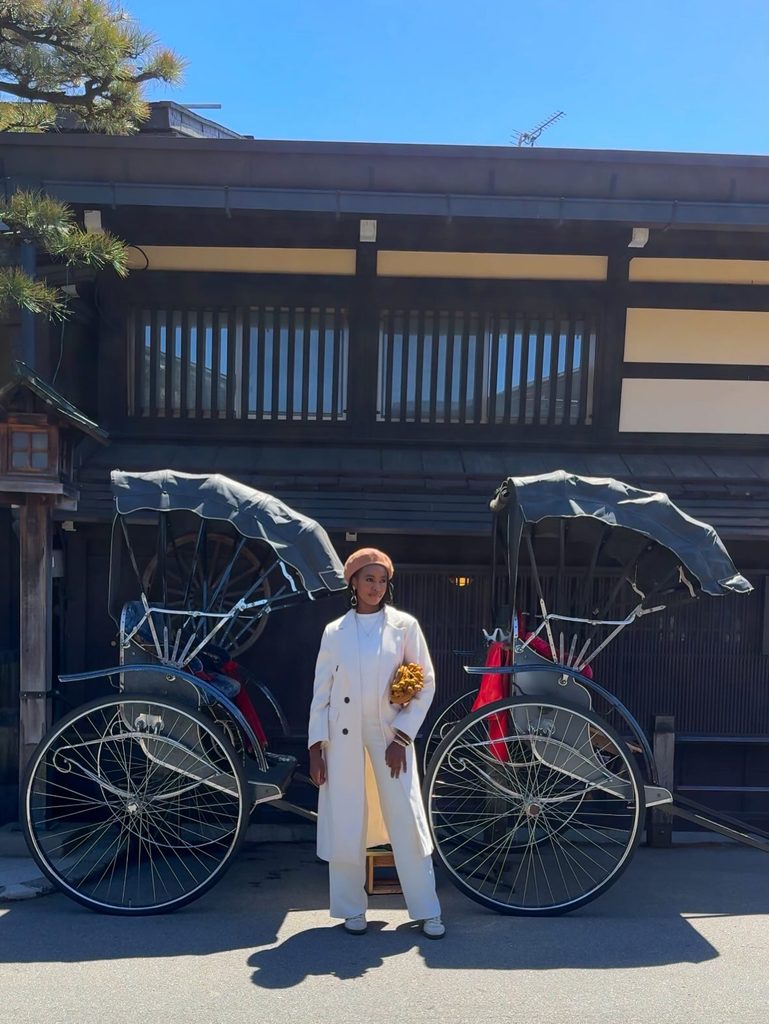
Takayama was completely different from Tokyo and Kyoto. It is a smaller mountain town known for:
- Traditional architecture
- Old Town streets
- Local food
- Mountain scenery
- Access to the Japanese Alps
I recommend staying close to Takayama Station or the Old Town so that you can walk to most of the main areas. One of the biggest advantages of Takayama is that it feels much quieter and more traditional than Japan’s major cities.
Things to Do in Takayama
- Takayama walk and temple experiences – Explore Takayama on foot and visit some of the town’s temples and cultural sights. It is a good way to experience the quieter side of Japan and see more of the town at a relaxed pace.
- Takayama sake tasting – Try locally produced sake and learn more about this traditional Japanese drink. This is a good experience to add if you are interested in Japanese food and drinks.
- Shirakawa-go walking tour – Visit Shirakawa-go, a historic mountain village known for its traditional houses and beautiful surroundings. A guided walking tour allows you to explore the village while learning more about the area.
- Takayama walking tour – Explore Takayama on foot with a guide and discover some of the town’s main sights and historic areas. This is a good option if you want to learn more about the town rather than simply walking around on your own.
- Takayama Hida Folk Village tour – Explore Takayama on foot with a guide and discover some of the town’s main sights and historic areas. This is a good option if you want to learn more about the town rather than simply walking around on your own.
Kyoto
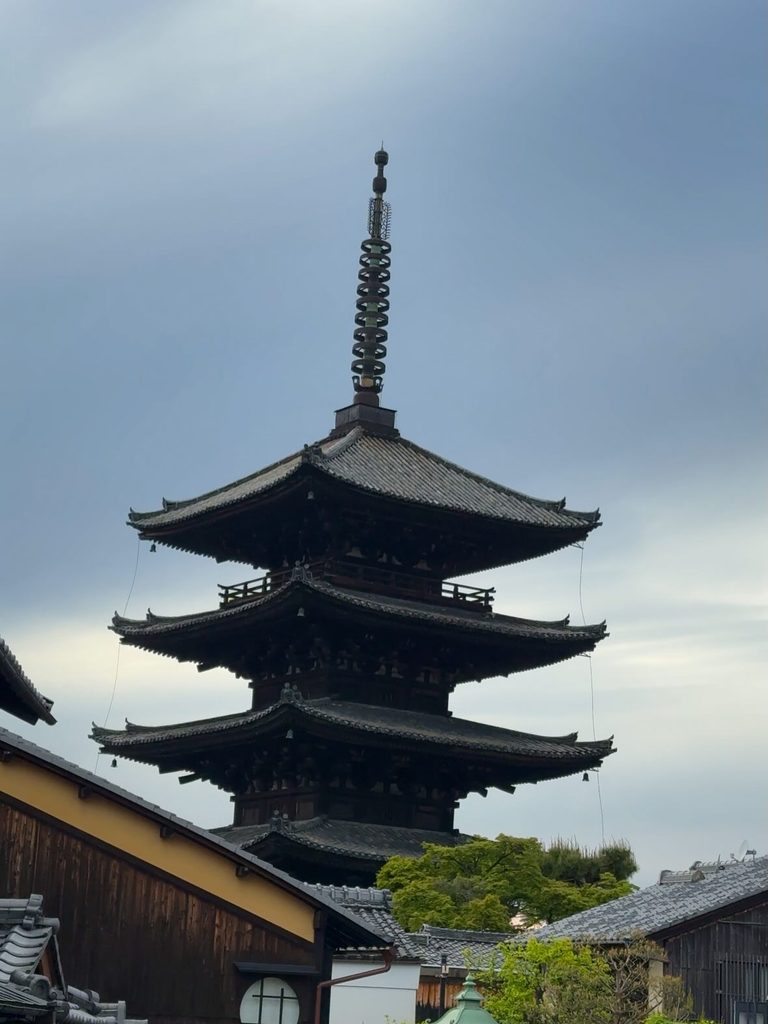
We travelled from Takayama to Kyoto by bus, and the journey took approximately four to five hours. Kyoto was one of the busiest destinations during our trip, particularly because we visited during a high-demand period.
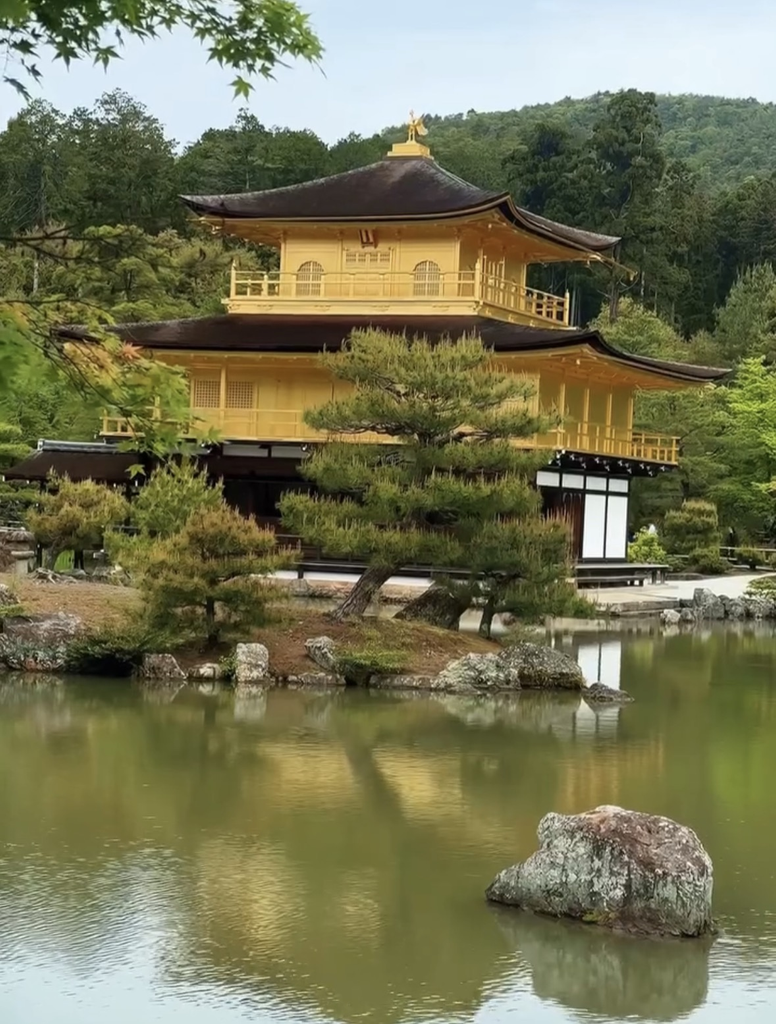
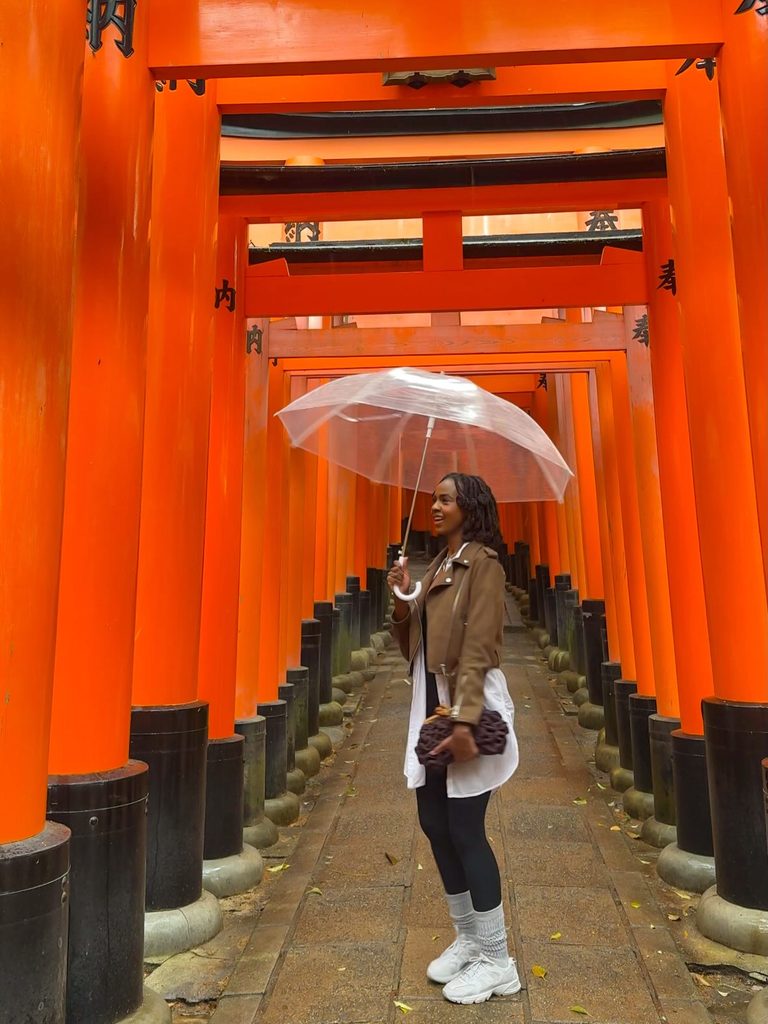
Despite the crowds, Kyoto was one of my favourite stops. The combination of traditional architecture, temples, shrines, food and Japanese culture makes it feel completely different from Tokyo. Five nights may sound like a lot, but Kyoto has a huge number of things to see and also works well as a base for day trips.
Where to Stay in Kyoto
My preferred areas are:
- Shijo-Kawaramachi: Good for restaurants, shopping and central access
- Gion/Higashiyama: Convenient for traditional Kyoto attractions
- Kyoto Station: Practical for transport and day trips
Many of Kyoto’s major attractions are spread across different parts of the city. You will often combine trains, buses and walking to get around. Ubers are also available, but they can be expensive.
Things to Do in Kyoto
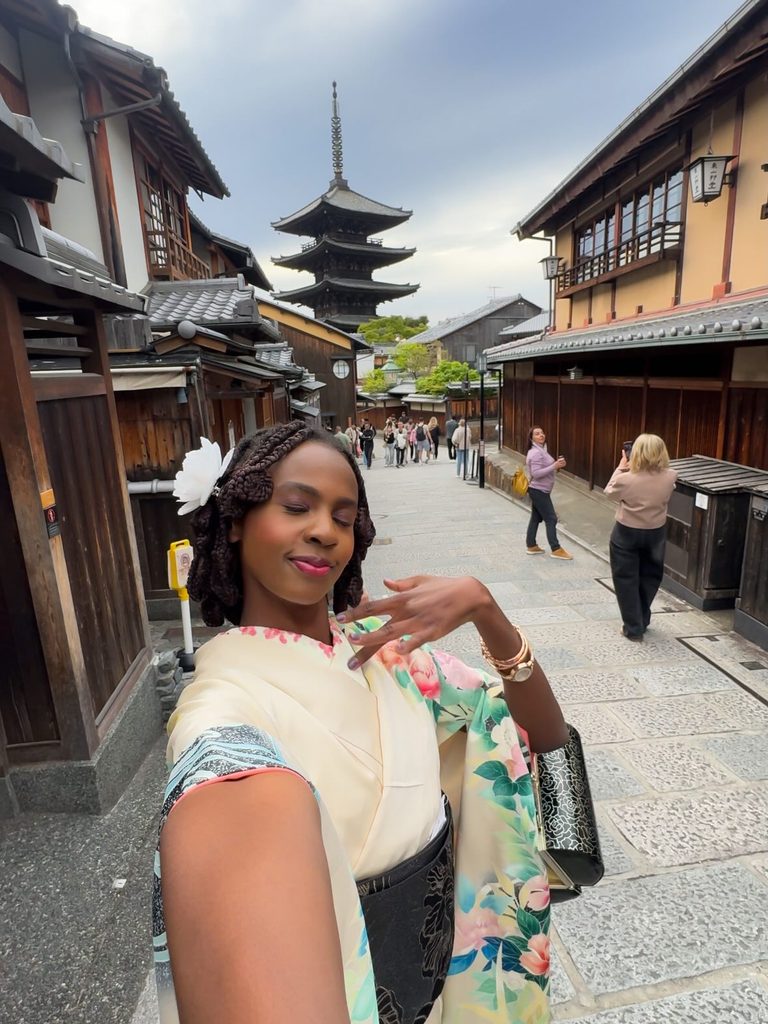
- Tea ceremony and kimono rental – Experience a traditional Japanese tea ceremony while wearing a kimono. This gives you an opportunity to experience some of Japan’s cultural customs rather than simply visiting the city’s temples and attractions.
- Private Kyoto tour – Explore Kyoto with a private guide and build your day around the places you want to see. This can be useful because Kyoto’s major attractions are spread across different parts of the city.
- Mount Fuji day trip from Tokyo – Take a day trip from Tokyo to the Mount Fuji area and explore some of the sights around Japan’s most famous mountain. This is an option if you want to see Mount Fuji without staying overnight in the area.
- Kyoto early morning tour – Explore Kyoto’s attractions early in the day, before some of the busiest crowds arrive. This can be particularly useful during peak travel periods when popular areas can become very busy.
- Fushimi Inari, Kinkaku-ji and Bamboo Grove tour – Visit several of Kyoto’s well-known attractions, including Fushimi Inari Shrine, Kinkaku-ji and the Arashiyama Bamboo Grove. This is a convenient option if you want to see several of Kyoto’s major sights in one experience.
- Gion District walking tour – Walk through Gion and learn more about one of Kyoto’s most historic neighbourhoods. The area is known for its traditional streets, buildings and connection to Kyoto’s geisha culture.
- Nara Deer Park and temples day trip – Take a trip from Kyoto to Nara to see the famous deer and visit some of the city’s historic temples. It is an easy way to add a different destination to your Kyoto itinerary.
- Three Cities tour – Visit three destinations in one organised day trip, making it an option for travellers who want to see more of the region without arranging separate transport themselves.
- Kimono and matcha ceremony – Combine wearing a traditional kimono with a matcha experience. It is a simple way to experience some of Japan’s traditional customs while visiting Kyoto.
- Sushi and ramen cooking class with sake pairing – Learn how to prepare popular Japanese dishes such as sushi and ramen in a hands-on cooking class. The experience also includes a sake pairing, making it a good option for travellers who want to experience Japanese food beyond simply eating it.
Osaka
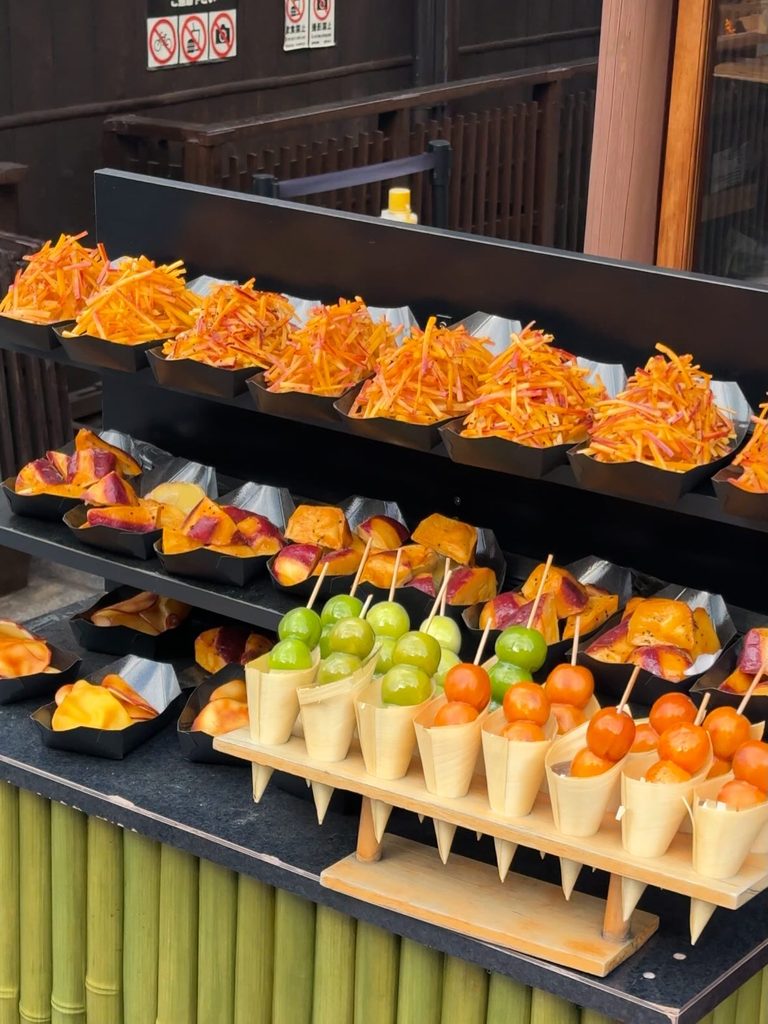
We travelled from Kyoto to Osaka by train. The journey took approximately 30 minutes, making it incredibly easy to combine the two cities in one trip. Osaka has a completely different atmosphere from Kyoto. It is more modern, lively and heavily focused on food, shopping and nightlife.
I actually did most of my clothes shopping in Osaka at Uniqlo and 2nd STREET. If you are into thrifted designer pieces, Osaka is definitely where I would go. For a first-time visitor, I recommend staying around Namba or Shinsaibashi. Namba and Umeda were particularly convenient for me, with Umeda being close to Osaka Station.
Things to Do in Osaka
- Osaka airport transfers – Pre-book your airport transfer to or from your Osaka accommodation. This can be particularly convenient when travelling with luggage or arriving after a long flight.
- Nara, Osaka and Kobe day trip – Visit Nara, Osaka and Kobe as part of one organised experience. This is useful if you want to explore several destinations in the region without arranging each journey separately.
- Osaka sumo live experience – Watch a live sumo experience and learn more about one of Japan’s traditional sports. It is a good option if you want to include a cultural experience in your Osaka itinerary.
- Katsuoji Temple and Onsen half-day e-bike tour – Explore Katsuoji Temple by e-bike before relaxing at an onsen. This combines sightseeing with a more active experience and some time to unwind.
- Fushimi Inari, Kinkaku-ji and Bamboo Grove tour – Visit some of Kyoto’s most famous sights, including Fushimi Inari, Kinkaku-ji and the Bamboo Grove. This works well as a day trip from Osaka if you want to explore Kyoto while staying in Osaka.
- Dotonbori River Cruise – Take a cruise along the Dotonbori River and see Osaka from the water. It is a different way to experience one of the city’s busiest entertainment and dining areas.
- Osaka street food tour – Explore Osaka through its food with a guided street food experience. This is particularly relevant if you want to experience the city’s famous food culture while learning more about the local dishes.
- Hiroshima and Miyajima day trip by bullet train – Take a day trip from Osaka to Hiroshima and Miyajima using Japan’s high-speed rail network. It allows you to visit two historically and culturally important destinations without changing your base in Osaka.
- Samurai culture experience – Learn more about samurai culture through a hands-on cultural experience. It is an opportunity to explore an important part of Japanese history beyond simply visiting historical sites.
- Osaka helicopter tour – See Osaka from above on a helicopter tour and take in the city’s skyline from a completely different perspective. This would suit travellers looking for a more unusual sightseeing experience.
- Osaka highlights bike tour – Explore Osaka by bicycle while visiting some of the city’s main sights. It is a good option if you want to combine sightseeing with some physical activity.
Things to Know Before Visiting Japan
- Japan is an Expensive Destination – Japan is an expensive destination, particularly when you add up accommodation, transportation, food and activities. However, there are ways to keep your costs down. Using public transportation instead of taxis, and choosing affordable local restaurants rather than restaurants in major tourist areas, can help you save money. Research the costs for your specific itinerary before travelling and plan your budget accordingly.
- Download Google Translate – The language barrier can be significant, especially outside the major tourist areas. Having Google Translate on your phone makes communication, reading signs and navigating much easier.
- Book Popular Activities in Advance – Do not assume that you can show up and buy tickets for everything. Popular attractions and experiences can sell out months in advance. Shibuya SKY and Disney, for example, can be extremely popular. If an activity is high on your list, book it ahead of time.
- Be Prepared for Automation – One thing I found fascinating was how automated everyday life can be. There are vending machines everywhere, and you can use your Suica card for transportation and purchases. Even currency exchange can involve machines rather than a person. At times, I almost felt like there was very limited human contact because so many everyday processes were automated.
- Time Is Key – This is a big one. Japanese people are incredibly respectful of time. Trains run on schedules, and hotel check-in and check-out times are taken seriously. Do not assume that late check-outs or early check-ins will be accommodated. So, if you are an African timer, Japan will teach you a few things. 😂 Build your day around the actual times and be punctual.
- Learn How the Train System Works – Japan’s transportation system is excellent, but it can initially feel overwhelming. There are different train operators, lines and types of trains. Take some time to understand your route before leaving. If trains really are not your thing, you can use services such as Uber and GO, but these will generally cost more.
- Wear Comfortable Shoes – You are going to walk. A lot. Wear comfortable shoes and be prepared to spend plenty of time on your feet.
- Give Yourself Extra Time When Travelling With Luggage – Some Japanese train stations are huge. If you are carrying a large suitcase, give yourself more time than you think you need. I eventually found a much better solution: I sent my large suitcase ahead. Because I was travelling between several cities, I packed the clothes I needed for the next one or two destinations into a smaller suitcase and sent my larger luggage ahead instead of dragging it through trains and buses. The luggage forwarding company I used was YAMATO, and it was incredibly convenient. I transferred my luggage from Tokyo to Takayama and then from Takayama to Osaka. I honestly cannot imagine doing the entire itinerary while constantly moving a large suitcase around.
- Respect Japanese Etiquette – Japan is highly organised, and there are many social expectations around Public transportation, Queuing, Noise, Residential areas, Public spaces and General behaviour. You do not have to know every Japanese custom before arriving, but be observant and respectful.
- Do Not Assume Everything Is in English – A lot of things are written in Japanese. This is another reason I strongly recommend having Google Translate available.
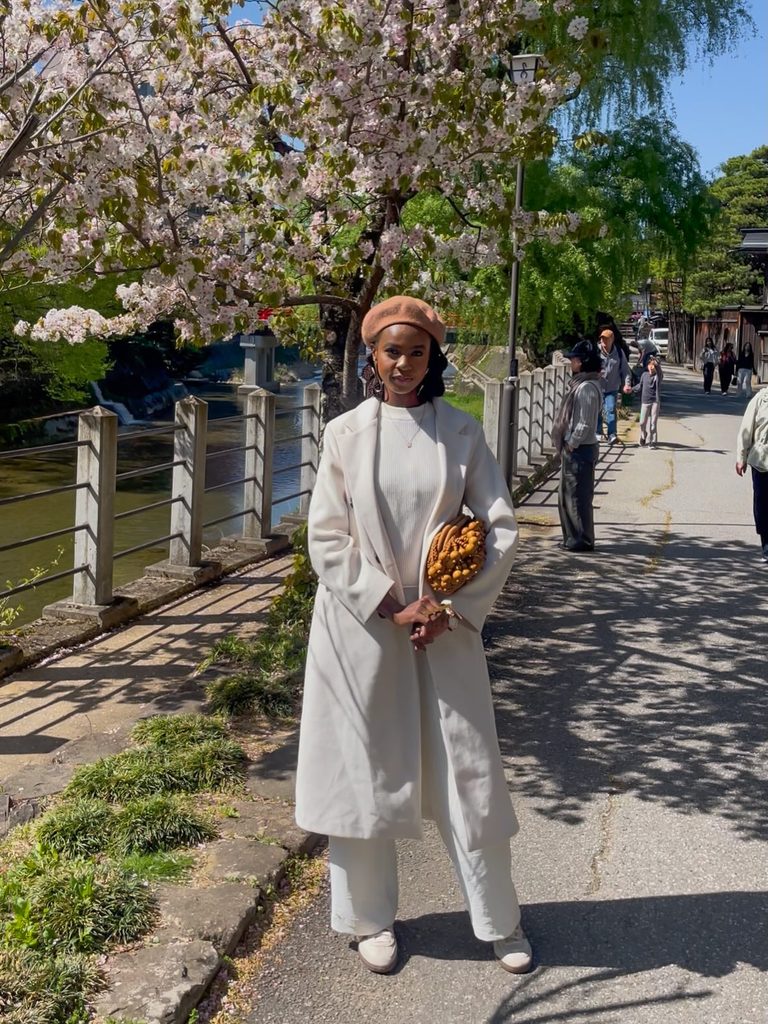
- Expect Crowds During Peak Seasons – If you visit during cherry blossom season or another major peak period, expect significant crowds. Kyoto was particularly busy when I visited.
My Final Take
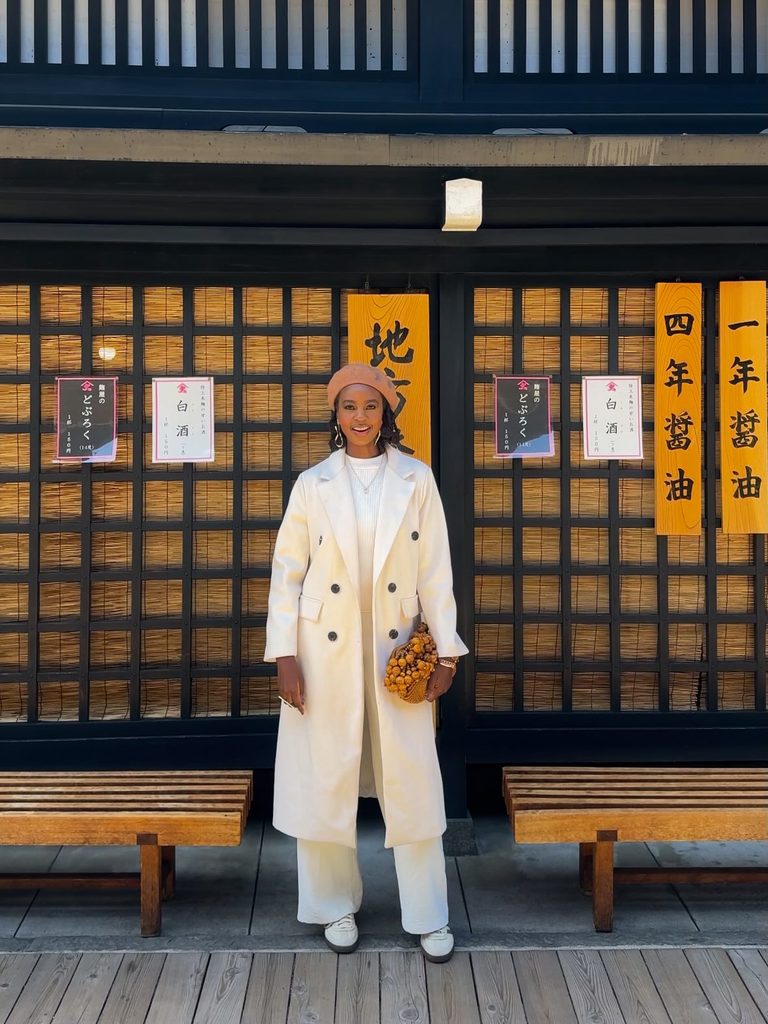
Japan is one of those destinations where every stop gives you a completely different experience. Tokyo offers the huge, futuristic city experience, with shopping, nightlife, technology and endless things to see and do. Fujikawaguchiko offers a slower-paced Mount Fuji experience and a completely different landscape from Tokyo.
Takayama shows you a more traditional and quieter side of Japan, with beautiful old streets and mountain scenery. Kyoto offers temples, shrines, traditional architecture and culture, although you should be prepared for significant crowds during peak season.
Osaka offers food, shopping and nightlife, with a much more energetic city atmosphere. I travelled to Japan with a group of friends and thoroughly enjoyed the trip. I felt safe throughout the entire journey, the transportation system made it relatively easy to move around, and the people I interacted with were consistently kind and helpful.
If you are planning your first trip to Japan, I would recommend giving yourself enough time to experience more than just Tokyo and Kyoto. Japan is much more diverse than those two cities. Adding destinations such as Fujikawaguchiko and Takayama gives you a better understanding of the different landscapes, cultures and experiences the country offers.
Japan is an excellent destination for travellers who want a combination of culture, food, technology, history, nature and completely different city experiences within the same trip. Would I go back? Absolutely.
Need Help Planning Your Japan Trip?
If you’d rather have someone help you plan your trip from start to finish, The JustRioba Way offers personalised travel planning and travel consultations to help you create an itinerary suited to your travel style, interests and budget.
We also organise annual group trips around the world, so if you would rather explore with a group, you’re welcome to sign up and join us on our next adventure. Whether you need help planning Brazil or another destination, we’re here to help make the process easier.
For travel inspiration, tips and destination guides, follow us on:
Instagram & TikTok: @thejustriobaway
For personalised travel planning and consultations, email us at admin@justrioba.com or get in touch through our enquiry forms. Your next adventure starts here.
